Modern Wedding Etiquette in 2026: 10 Old Rules You Can Officially Break
Wedding etiquette used to come with a long list of expectations.
Who paid - Who stood where - What everyone wore - Which traditions were considered “essential.”
But many of those rules were created for a very different time and a very different idea
of what a wedding should look like.
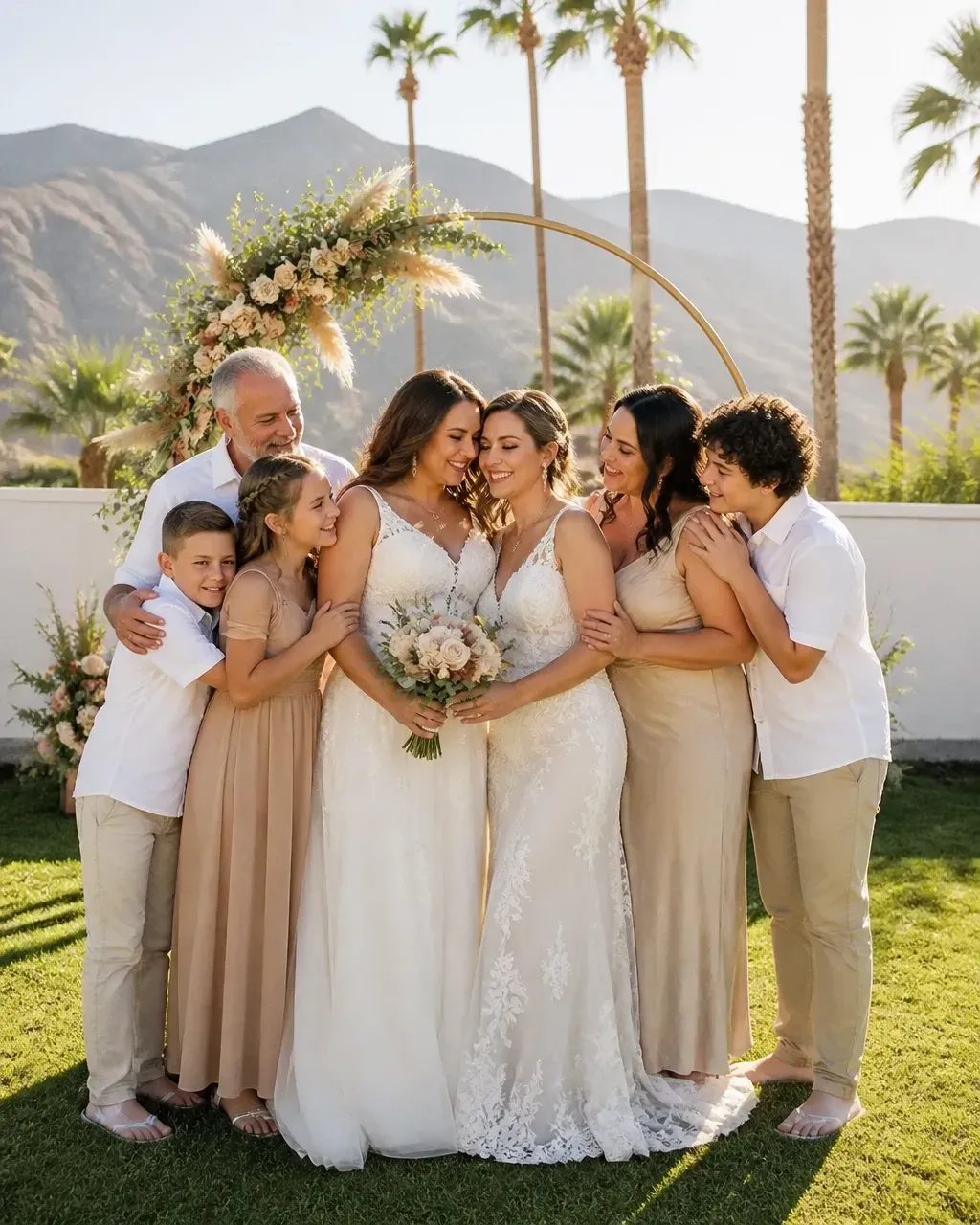
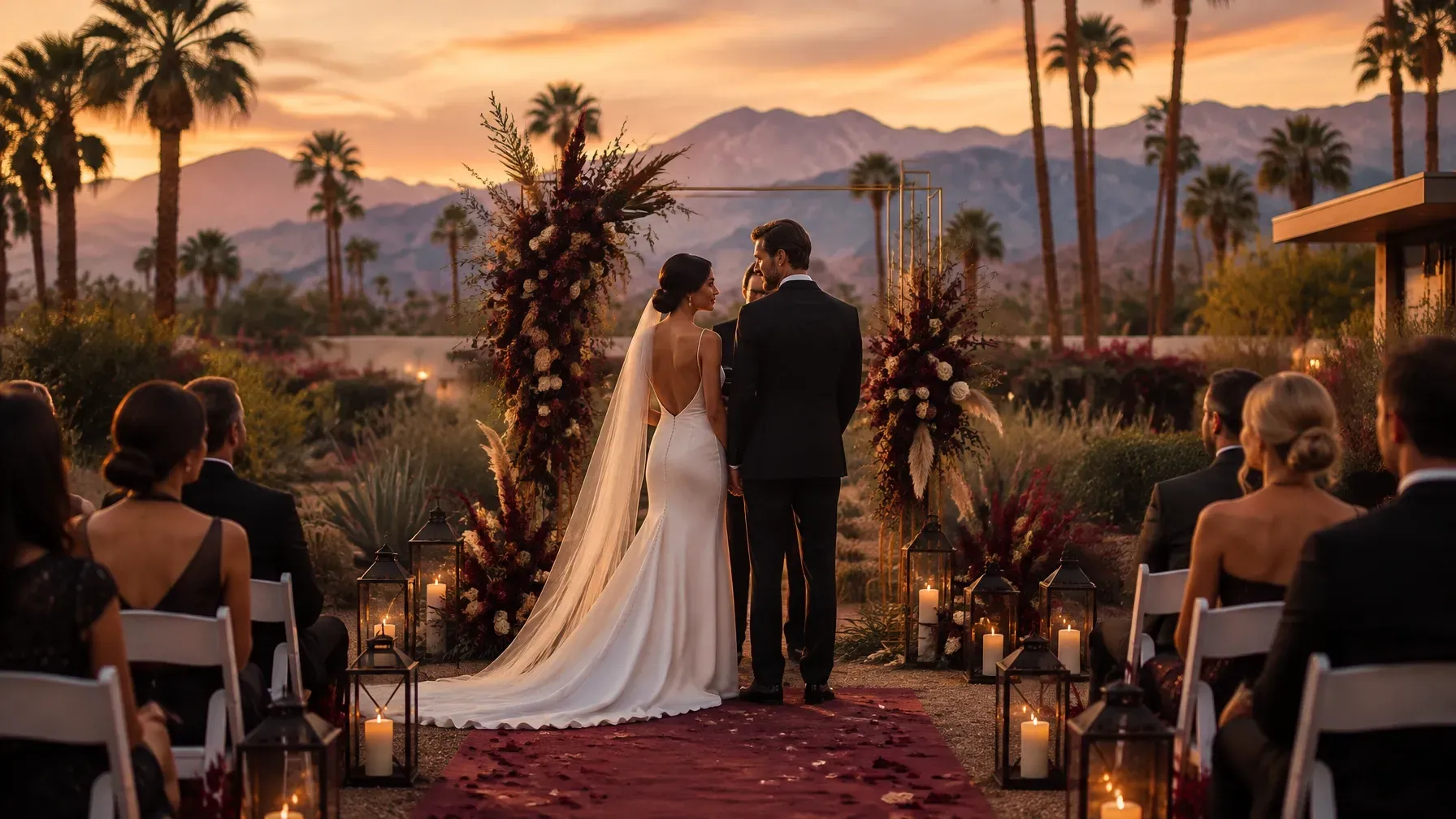
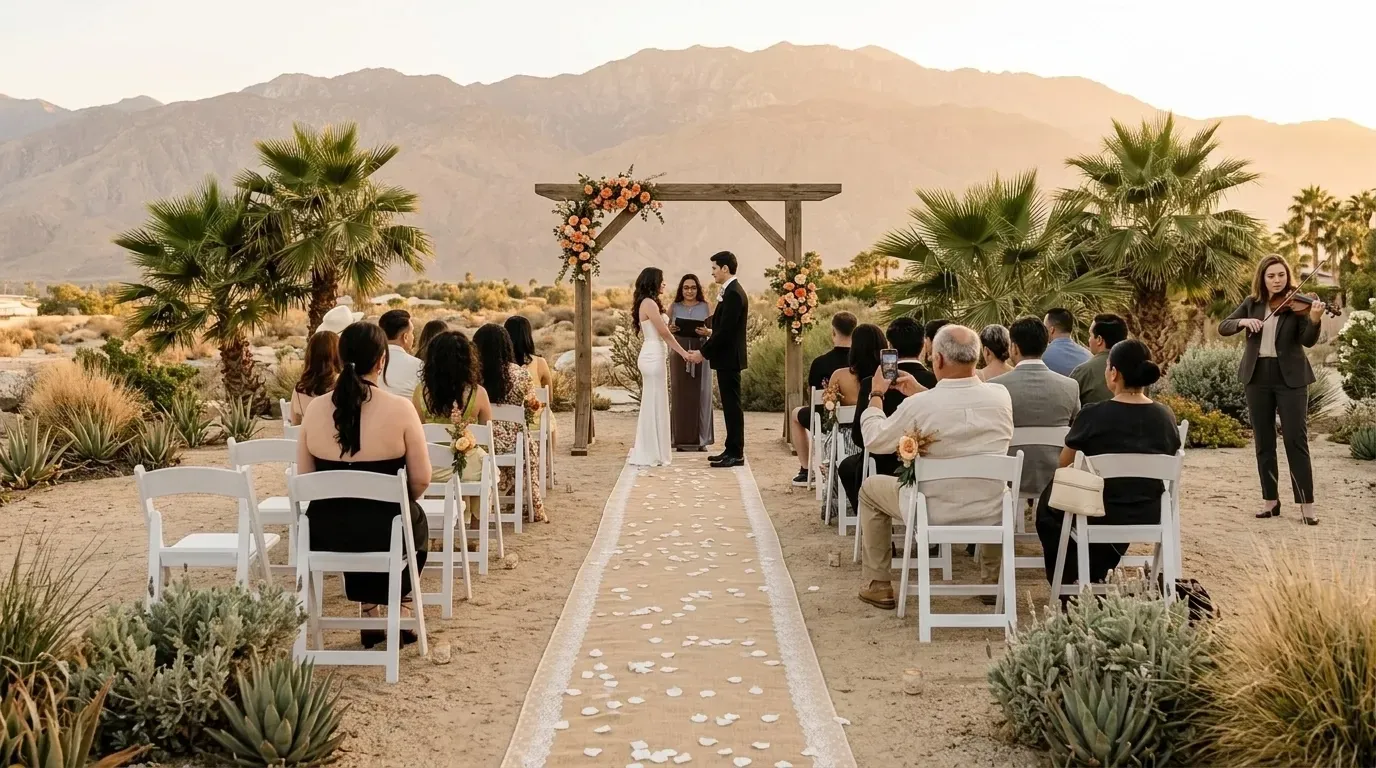
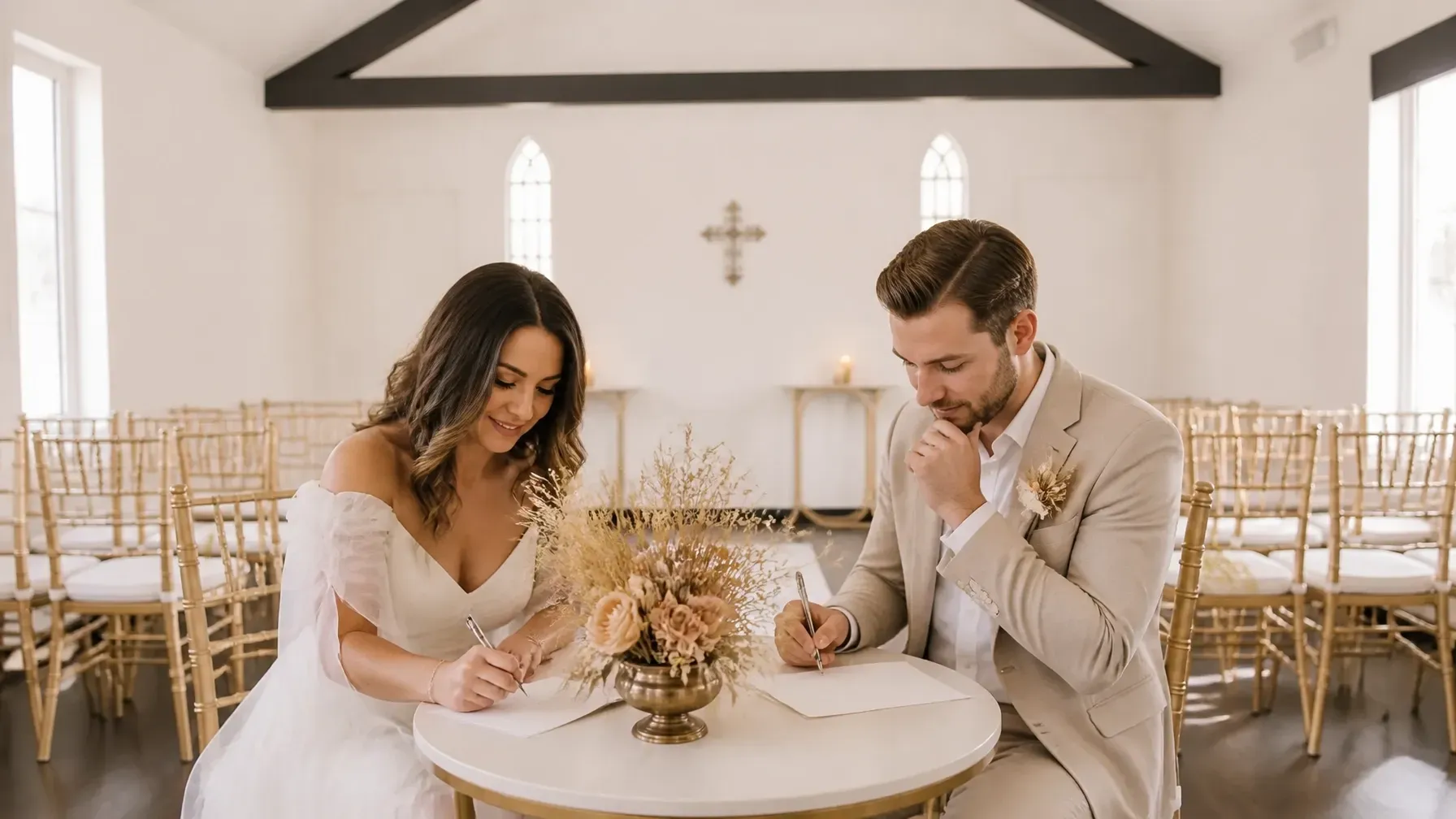
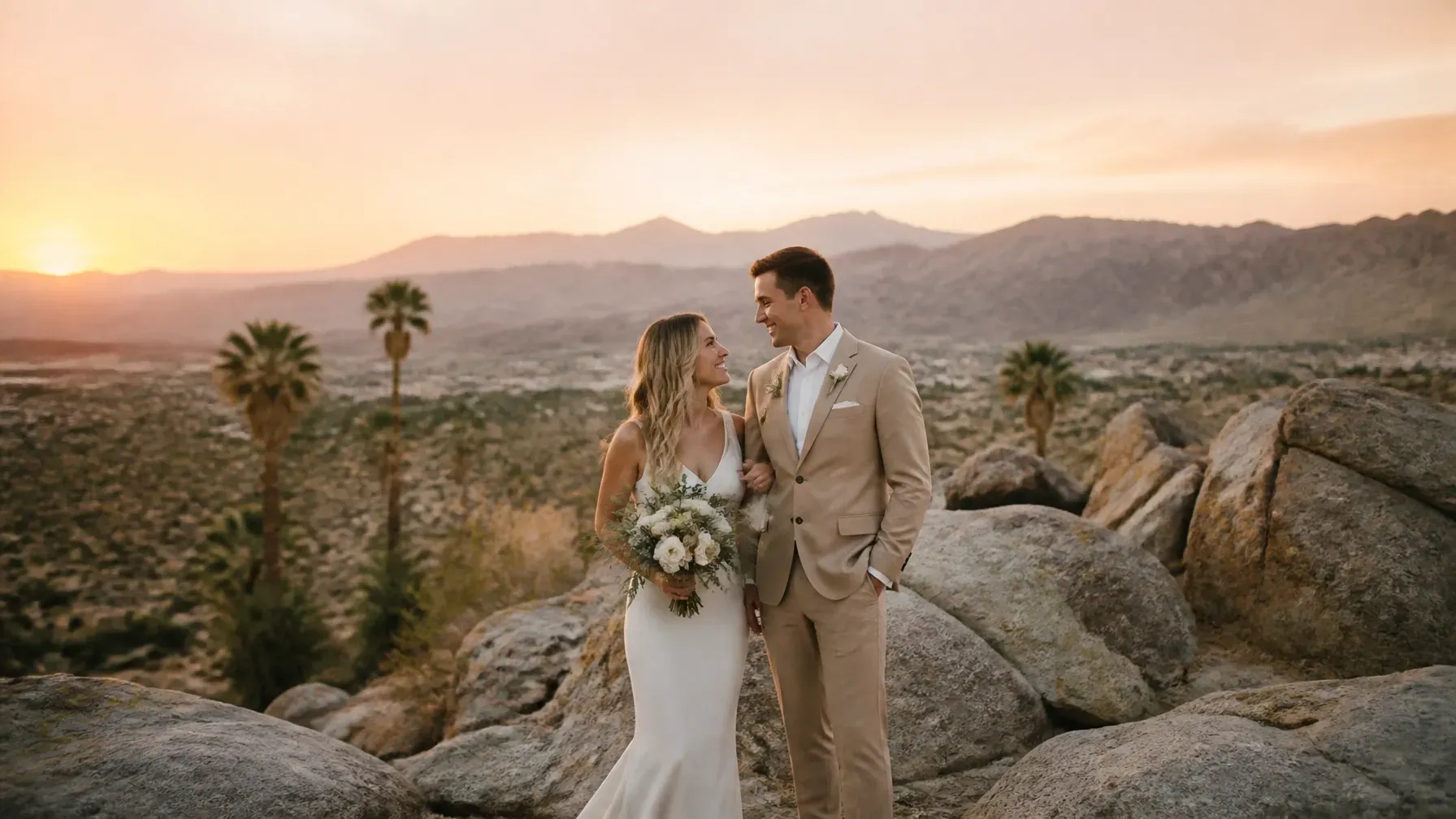
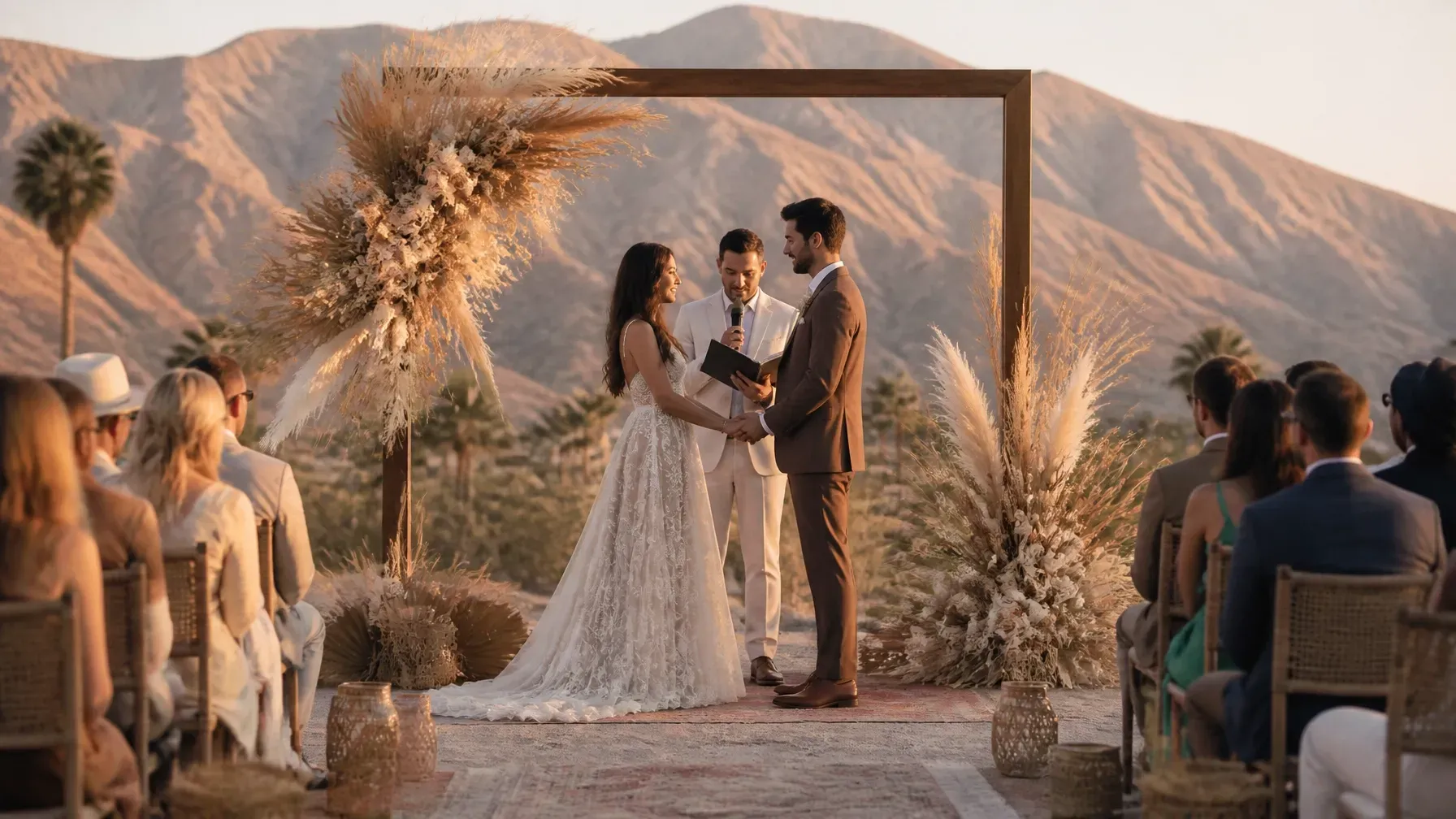
In 2026, modern etiquette is less about following a script and more about communicating clearly, treating guests thoughtfully, and creating a celebration that feels true to your relationship. Whether you’re planning a large wedding, a Palm Springs elopement, a vow renewal, or an intimate commitment ceremony, you have more freedom than ever to make meaningful choices.
Here are 10 old wedding rules you can officially break.
1. “Vow renewals don’t need gifts or a real celebration”
A vow renewal is not a second wedding, but that doesn’t mean it has to be low-key or hidden away.
Couples renew their vows after 5, 10, 25, or 50 years of marriage and many also do it after overcoming a difficult season, blending families, moving across the country, or simply realizing they want to celebrate their love again.
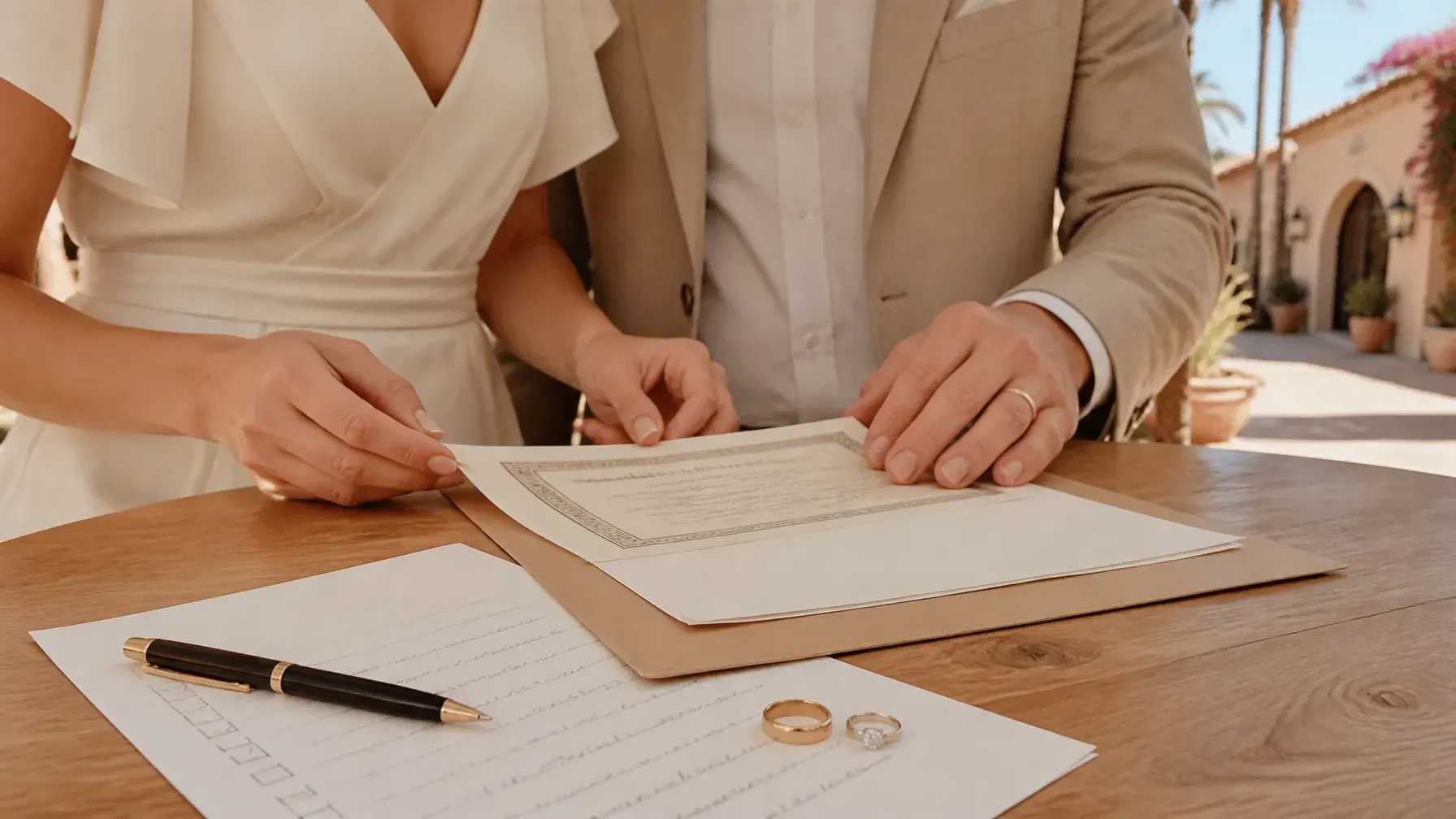
You can absolutely host a joyful gathering, invite family and friends, dress up, exchange gifts, or create a registry if it feels right. You can also keep it completely private. There is no required format.
The important etiquette point is clarity. Let guests know whether the occasion is a ceremony only, a dinner celebration, or a full event. If gifts are not expected, you can say so warmly. If you would appreciate contributions toward a trip or experience, a simple note on your event website is perfectly acceptable.
A personalized vow renewal ceremony can reflect the chapter you are entering now: not simply repeat the wedding you had years ago.
2. “Formal weddings require paper invitations”
Beautiful printed invitations are still a wonderful choice, especially for a formal or black-tie wedding.
But they are not the only polite option anymore.
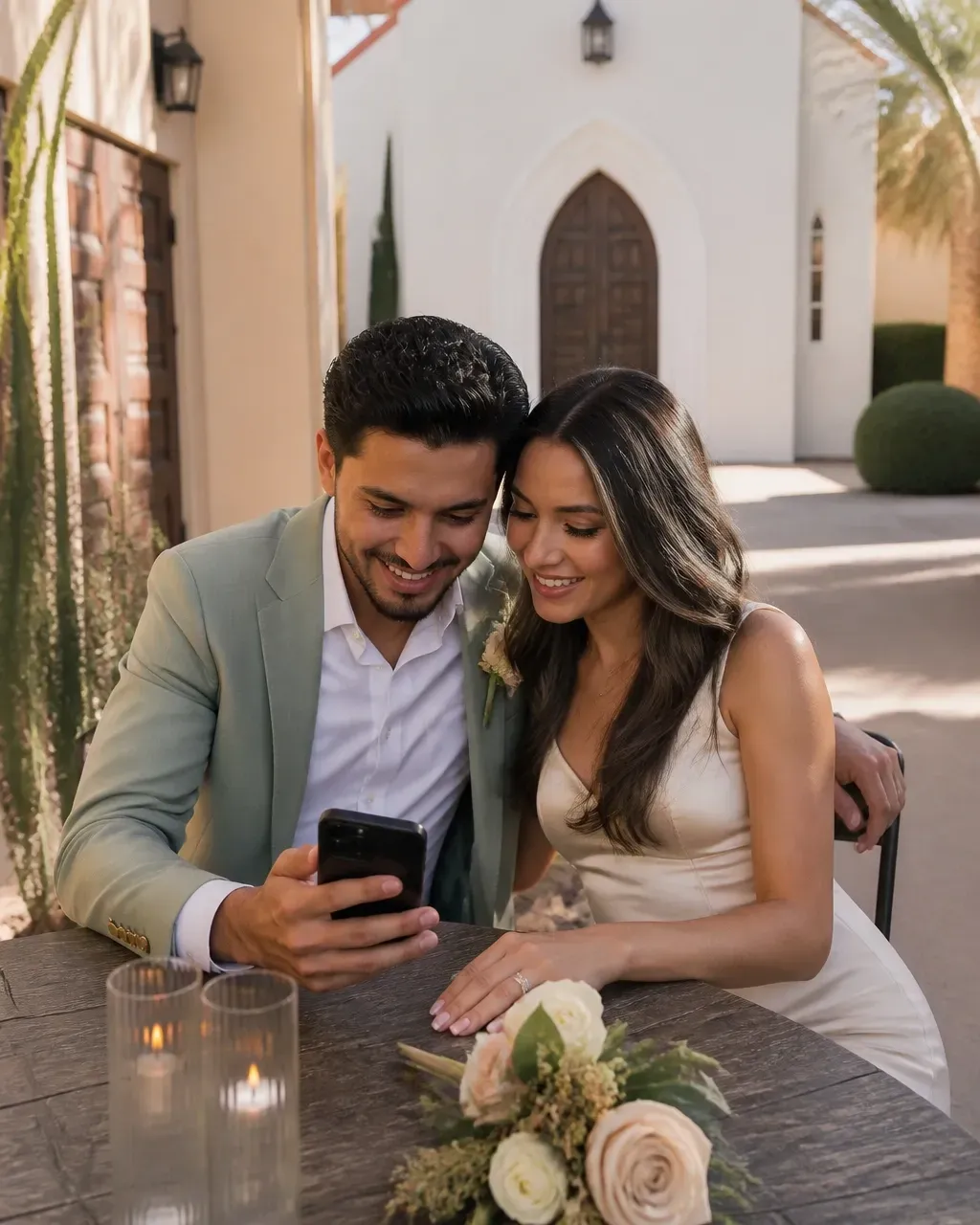
Digital invitations and online RSVPs can be practical, stylish, and completely appropriate for casual, semi-formal, destination, and intimate celebrations. A wedding website can also make it easier to share directions, hotel information, dress expectations, accessibility details, schedules, and updates.
The modern rule is not “paper only.” It is: make sure your communication is clear and easy to access.
If you choose digital invitations, use a polished design, send them with plenty of notice, and include all the information guests need. For a particularly formal event, you might send printed invitations to close family while using a digital system for RSVPs and updates.
3. “You need bridesmaids, groomsmen, and an even wedding party”
You do not need a large wedding party or any attendants at all.
Some couples choose one person each. Others invite a group of siblings, friends, or family members without assigning traditional titles. Some have a “bridesmate,” “groomswoman,” or mixed-gender group. Others ask loved ones to participate through readings, music, the processional, or a special ceremony ritual.
Skipping a formal wedding party can simplify your budget, timeline, rehearsal, and photographs. It can also remove pressure from friends who may not be able to take on expensive or time-consuming responsibilities.
If you do have attendants, make the role your own. Matching outfits are optional. Equal numbers are optional. Traditional titles are optional. The people standing beside you should be there because they matter: not because etiquette says you need a certain number of people on each side.
4. “One partner must be walked down the aisle”
The traditional processional does not fit every couple: and it never has to.
You can walk down the aisle:
- Together, side by side
- Separately, meeting at the front
- With both parents
- With one parent, grandparent, sibling, or chosen family member
- With your children
- Alone
- From the back of the room, through the center, or without an aisle at all
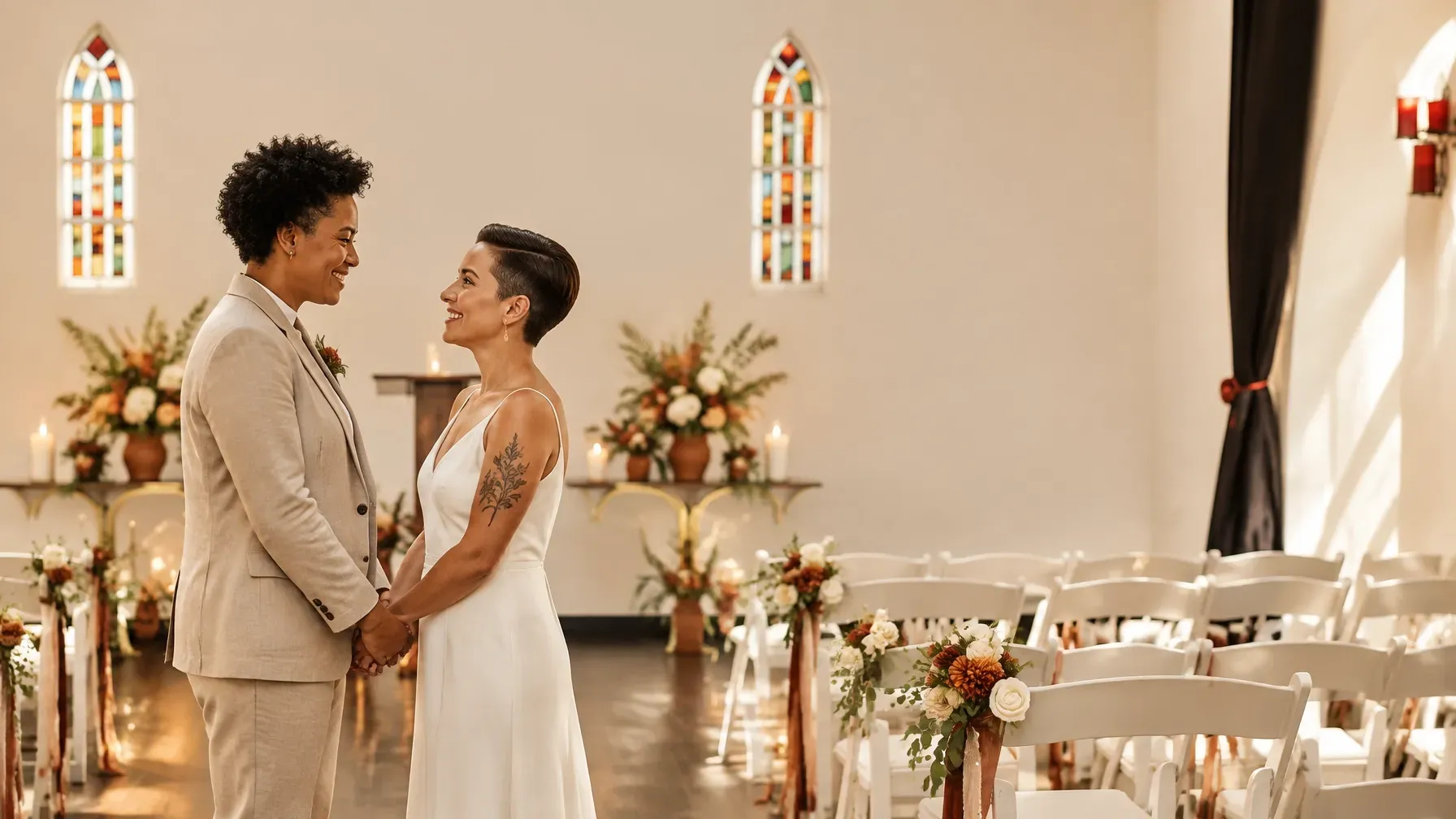
For LGBTQ+ couples, blended families, and couples who want a more equal beginning, entering together can be especially meaningful. It can symbolize that marriage is a partnership rather than an exchange in which one person is “given away.”
Your officiant can help you design a processional that feels natural, practical, and emotionally significant.
5. “Guests must sit on the bride’s side or the groom’s side”
There is no need to divide your loved ones into opposing teams.
A sign such as “Choose a seat, not a side” can warmly welcome everyone to sit wherever they feel comfortable.
This can be especially helpful for blended families, LGBTQ+ couples, couples with complicated family histories, or celebrations where guests know and love both partners equally.
You can also arrange seating by accessibility needs, family groups, or personal comfort. Reserve the front row for parents, grandparents, children, or special guests: or leave the seating completely open.
The goal is to help people feel included, not to recreate an old social structure.
6. “A wedding must have a full open bar”
A full open bar is not the only gracious way to serve refreshments. In fact, a cash-bar-only reception can leave guests feeling as though they are being asked to fund the celebration, so it is worth considering more welcoming alternatives.
Depending on your budget and venue, you might offer:
- Beer and wine
- A signature cocktail for each partner
- A limited bar during cocktail hour
- Champagne for a toast
- Non-alcoholic cocktails and specialty beverages
- A hosted bar with a clear end time
If guests will need to pay for drinks at any point, communicate that in advance and make sure there are appealing nonalcoholic options available. Never make alcohol the only way guests can participate in the celebration.
Modern etiquette gives you permission to choose a bar service that fits your budget. It does not require you to create an uncomfortable surprise.
7. “Bridal parties must be divided by gender”
Your wedding party should reflect your relationships, not a category on a form.
A bride can have men, women, and nonbinary friends beside her. A groom can have women, men, and nonbinary friends in his party. Couples can stand with siblings, best friends, cousins, coworkers, or chosen family. You can also skip gendered labels altogether and use terms such as “attendants,” “ceremony crew,” or “wedding party.”
This flexibility is particularly important for LGBTQ+ couples and anyone whose closest relationships do not fit traditional wedding roles. The people who support your relationship should not have to change who they are to participate.
At Today We Become One, we proudly welcome diverse couples and celebrations as a member of the Rainbow Wedding Network and EnGayged Weddings. Your ceremony should make room for the people who make your life feel like home.
8. “You cannot have a child-free wedding without offending people”
A no-kids wedding is not automatically rude. It is a guest-list decision, and couples are allowed to consider their venue, schedule, budget, atmosphere, and personal preferences.
The key is to communicate the policy clearly and consistently. Address the invitation only to the invited adults, include a line such as “We kindly request an adults-only celebration,” and give families as much notice as possible so they can arrange childcare.
You may decide to make an exception for immediate family, infants, or children participating in the ceremony.
That is also your choice. Just be prepared to explain the policy consistently if guests ask.
You can love children and still want an adults-only evening. Both things can be true.
9. “You have to wear white, or follow a traditional wedding dress code”
White is beautiful, but it is not mandatory.
Modern couples are wearing ivory, champagne, blush, terracotta, black, patterned fabrics, jumpsuits, suits, separates, cultural attire, vintage pieces, and outfits that change throughout the day. One partner may wear a gown while the other wears a suit. Both partners may wear suits. Neither partner may wear anything traditionally associated with a wedding.
Choose clothing that makes you feel confident and comfortable in your setting. For a Greater Palm Springs celebration, that might mean lightweight fabrics, comfortable shoes, a bold desert-inspired color, or an outfit that works beautifully indoors and outdoors.
The best attire rule is simple: dress like yourselves on a day when you want to feel entirely present.
10. “Every wedding must include a first dance, cake cutting, or garter toss”
Traditions are invitations: not obligations.
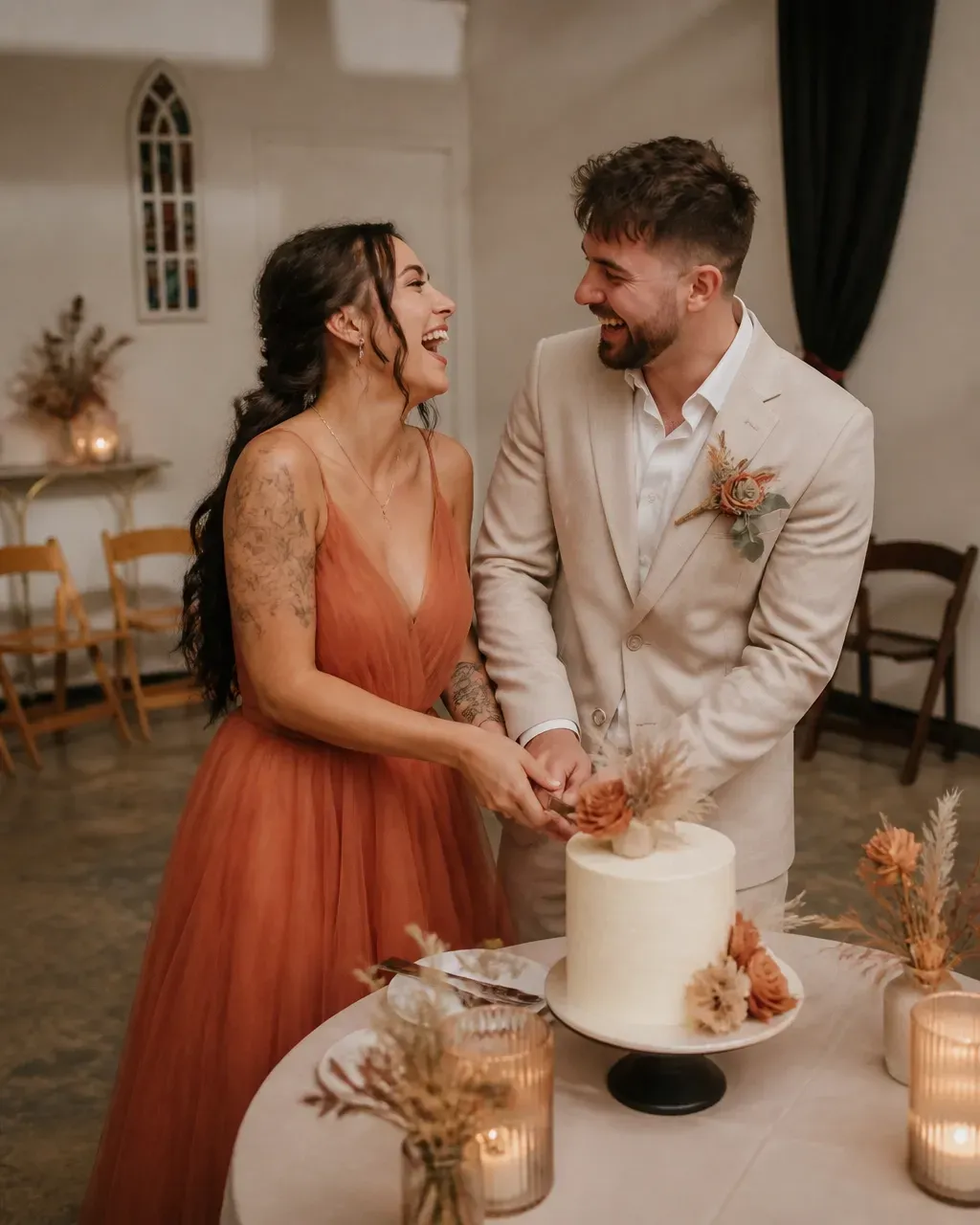
If you love a first dance, include it. If dancing in front of a crowd makes you uncomfortable, skip it. You can replace it with a private dance, an anniversary dance, a family dance, or a song played while everyone joins you on the floor.
The same goes for cake cutting and garter tosses. You can serve cake without staging a cake-cutting moment.
You can choose cupcakes, pie, churros, macarons, or a favorite dessert.
You can eliminate the garter toss, or replace it with a meaningful activity that reflects your relationship.
Consider creating your own signature moment instead:
- Exchange letters written for the wedding day
- Invite loved ones to share short blessings
- Plant a desert-friendly tree or succulent
- Include a family vow or unity ritual
- Play a song that tells your story
- Take a quiet private pause together after the ceremony
The one etiquette rule worth keeping
While you can break plenty of traditions, one principle is always worth keeping - be considerate!
Give guests useful information.
Set realistic expectations.
Make your guest list and policies clear.
Respect people’s budgets, access needs, identities, and time.
If you are making an unconventional choice, communicate it kindly rather than assuming everyone will understand automatically.
Then give yourselves permission to create a ceremony that sounds like you.
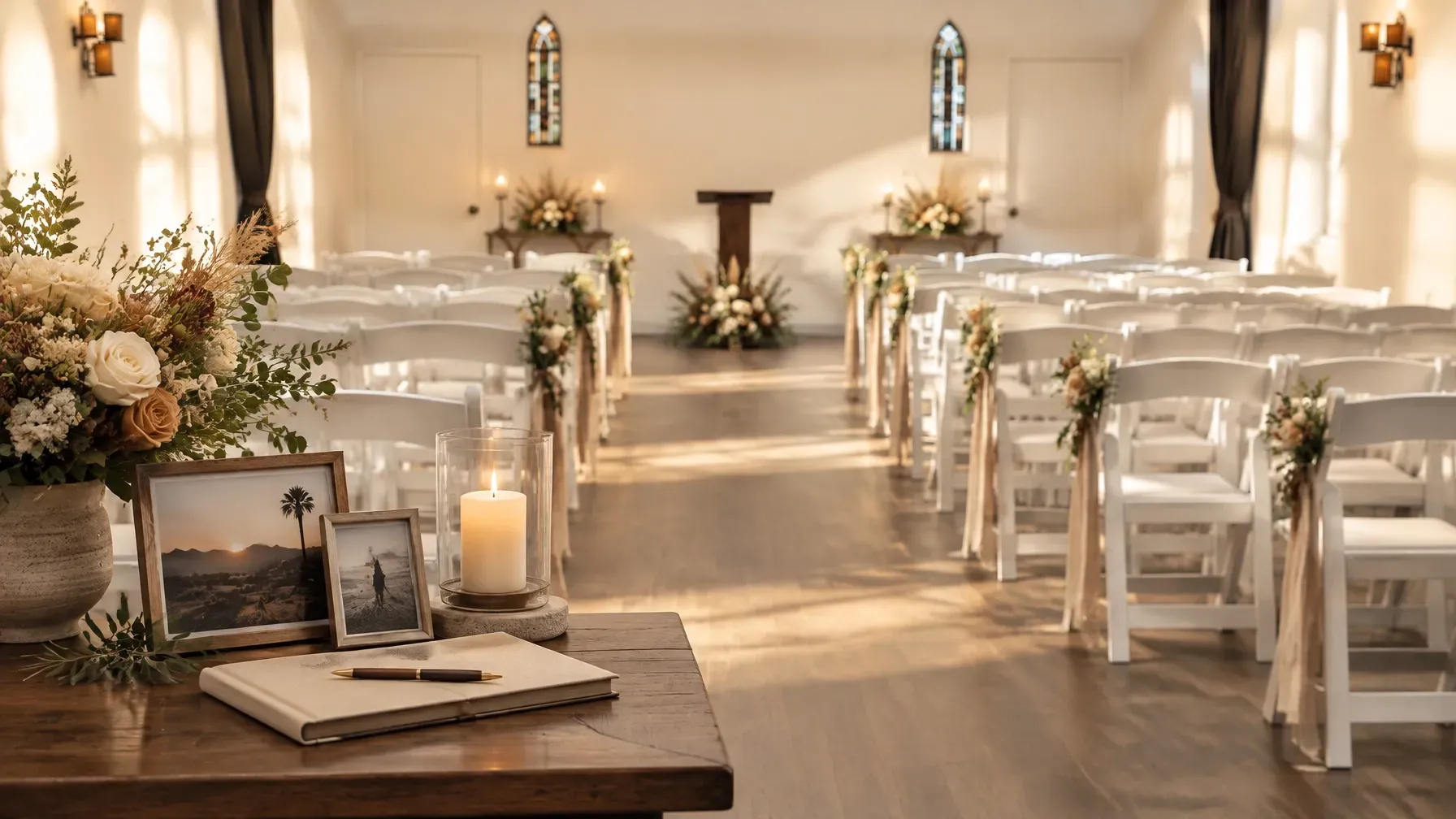
At Today We Become One, our award-winning ceremony officiants work with couples to create personalized, inclusive ceremonies in our Greater Palm Springs wedding chapel or at a destination of your choice.
Whether you are planning a traditional wedding, an elopement, a commitment ceremony, or a vow renewal, we can help you choose the words, rituals, and details that make the day meaningful.
In 2026, the most modern wedding etiquette is making room for your real life
and celebrating it wholeheartedly.