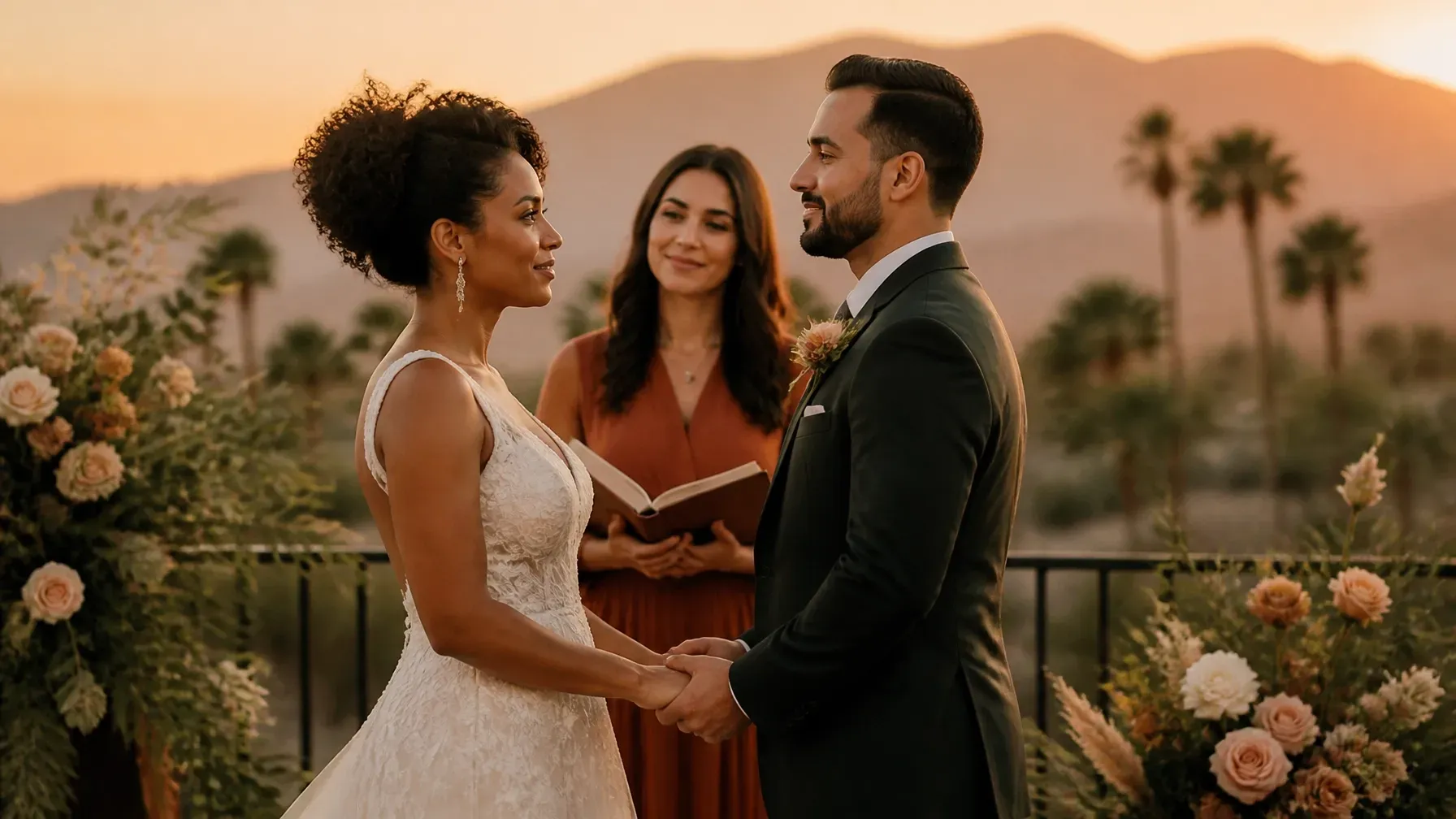
How to Write Vows That Actually Make Everyone Cry (In a Good Way): 5 Secrets from Pro Officiants
There is a moment during nearly every meaningful wedding ceremony
when the room becomes completely still.
The music fades.
The guests lean forward.
One partner looks at the other and begins to speak from the heart.
That is the magic of personal wedding vows.
The good news? You do not need to be a poet, a professional writer, or someone who always knows exactly what to say. The most moving vows are rarely the most elaborate. They are honest, specific, and unmistakably yours.
At Today We Become One, our award-winning officiants, including our multilingual team, help couples turn their real stories into meaningful ceremonies. Here are five secrets our professional officiants use to help couples write vows that bring happy tears to the people they love.
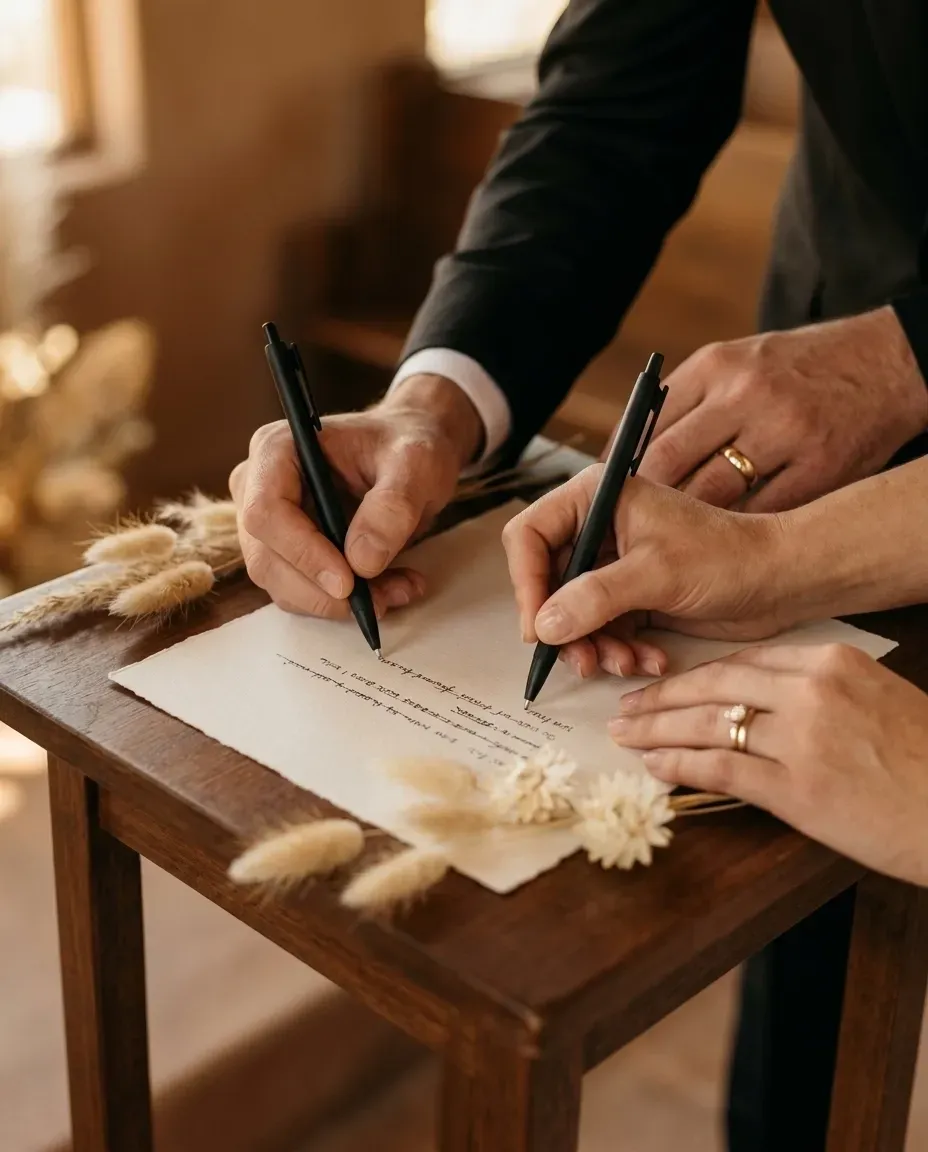
1. Start with your real story: not a blank page
The hardest way to write vows is to stare at an empty document and wait for something profound to appear.
Instead, begin with memories.
Think back to the moments that shaped your relationship:
- When did you first realize this person was different?
- What ordinary moment made you feel deeply loved?
- What challenge did you face together?
- What habit, phrase, or inside joke belongs only to the two of you?
- How has your partner changed the way you see yourself or the world?
- What are you most excited to experience together in the future?
Write your answers quickly and without editing. Do not worry about grammar, structure, or whether the words sound “wedding-worthy.” You are gathering raw material.
A story about getting lost on your first road trip, sharing takeout after a difficult day, or laughing together in the kitchen may be more powerful than a sweeping statement about eternal love. Specific memories allow your guests to see your relationship: and they give your partner a detail that feels deeply personal.
The goal is not to summarize your entire love story. Choose one or two moments that reveal what your relationship truly means.
2. Use a simple structure to make the emotion land
Heartfelt vows still need a beginning, middle, and end. A clear structure helps you stay focused, especially when you are emotional.
Our officiants often recommend this five-part framework:
Meaning
Begin by telling your partner what they mean to you.
This might be:
- “You are my safest place.”
- “You make ordinary days feel like an adventure.”
- “You are the person who knows every version of me and loves me through all of them.”
Memory
Share one specific moment that captures your relationship. It could be funny, tender, unexpected, or quietly important.
Growth
Explain how loving this person has changed you. Perhaps you have become more patient, more courageous, more open, or more willing to enjoy the present moment.
Promises
Make three to five promises that are personal and realistic. These are the heart of your vows.
Future
End by looking ahead. Tell your partner what you are excited to build, discover, protect, or experience together.
This structure keeps your vows from becoming a list of compliments or a long collection of memories. It creates an emotional journey that your partner and guests can follow.
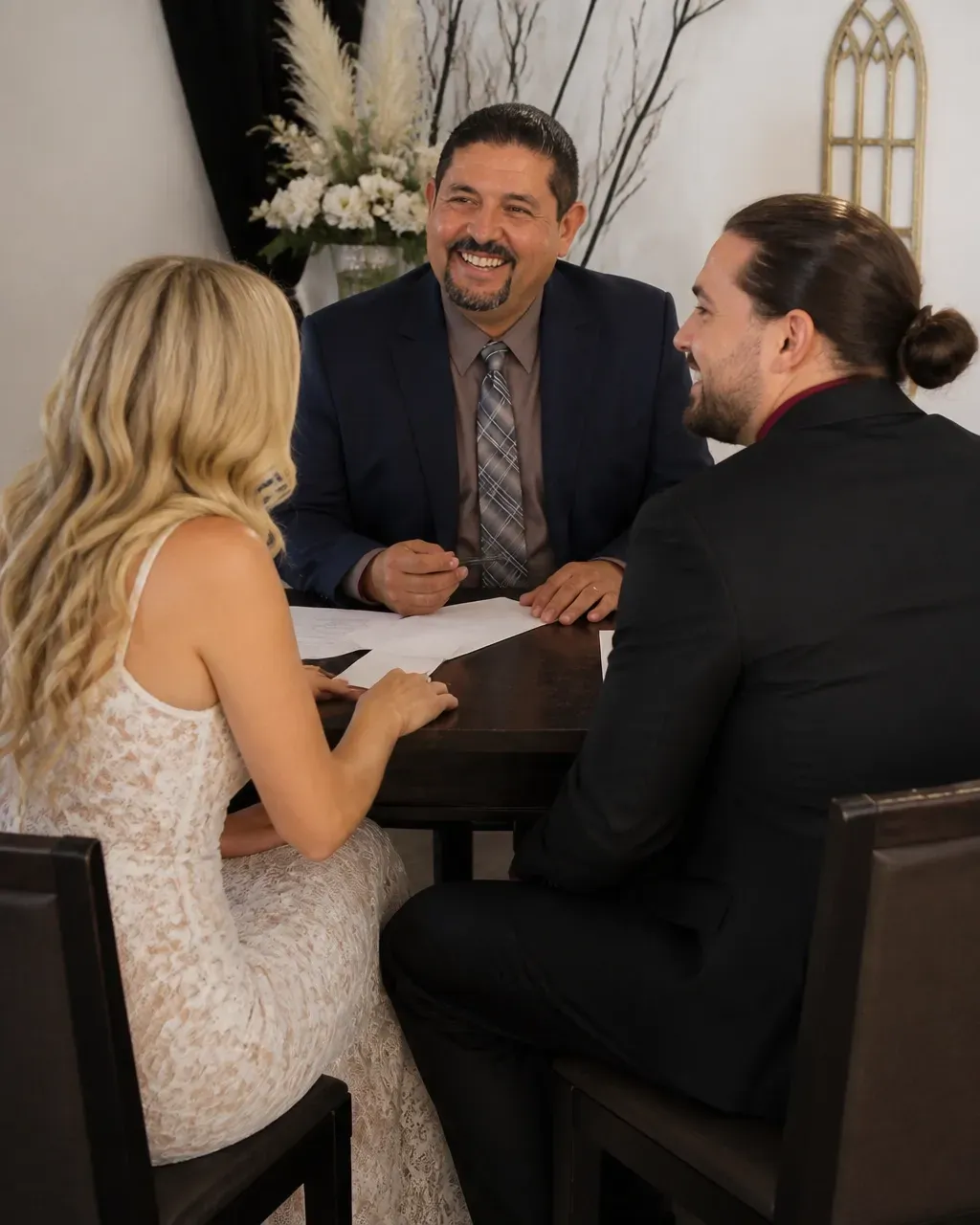
3. Choose details only your partner will recognize
Generic language is not automatically bad, but it becomes much more meaningful when you connect it to a real example.
Instead of:
> “You always make me laugh.”
Try:
> “You can turn a stressful grocery trip into a comedy routine, and somehow I always leave smiling.”
Instead of:
> “You support all my dreams.”
Try:
> “You were the first person to encourage me to take the opportunity I was afraid of: and the person waiting with takeout when I came home exhausted.”
Specificity creates intimacy. It tells your partner, “I see you. I notice you. I remember us.”
You can include:
- A favorite nickname
- A shared tradition
- A small quirk you secretly adore
- A meaningful first date
- A difficult season you survived together
- A place that belongs to your story
- A promise connected to your everyday life
Do not worry about whether every guest understands the reference. Your vows are first and foremost a message to your partner. A few guests may not know why a particular detail matters, but they will understand the emotion behind the way you tell it.
4. Make promises you can actually keep
The most memorable promises are not always the biggest ones.
“I promise to love you forever” is beautiful, but it becomes more personal when paired with the ways you intend to live that promise.
Consider lines such as:
- “I promise to listen before I try to solve the problem.”
- “I promise to celebrate your wins, even when my own day has been difficult.”
- “I promise to keep making room for laughter.”
- “I promise to be honest, even when the conversation is uncomfortable.”
- “I promise to keep choosing our relationship in the ordinary moments.”
- “I promise to learn the dance steps, even if I never quite get them right.”
Your promises should sound like commitments you can carry into real life: not impossible guarantees. You cannot promise that your partner will never feel sad or that your marriage will never face challenges. You can promise how you will show up when life is complicated.
That kind of honesty is what makes vows feel lasting.
5. Write in the way you actually speak
Your vows do not need to sound like a greeting card. In fact, they should not sound like someone else wrote them.
If you are naturally funny, allow a little humor. If you are quiet and thoughtful, your vows can be simple and sincere. If your relationship includes cultural, religious, bilingual, or family traditions, those elements can be part of your promises and your ceremony.
At Today We Become One, our ceremonies are designed around each couple’s story, beliefs, and preferences. Our multilingual officiants can help incorporate bilingual elements when requested, and our team can create civil, secular, non-denominational, interfaith, and faith-friendly ceremonies.
The best vows sound as though you are speaking directly to the person standing in front of you: not performing for an audience.
A quick test
Read your draft aloud and ask:
- Would I actually say this?
- Does this sound like my relationship?
- Is there at least one detail only my partner would recognize?
- Are my promises specific?
- Does the ending feel like a true commitment?
If a sentence feels too formal, rewrite it in your everyday language. If a line sounds beautiful but does not feel true, remove it.
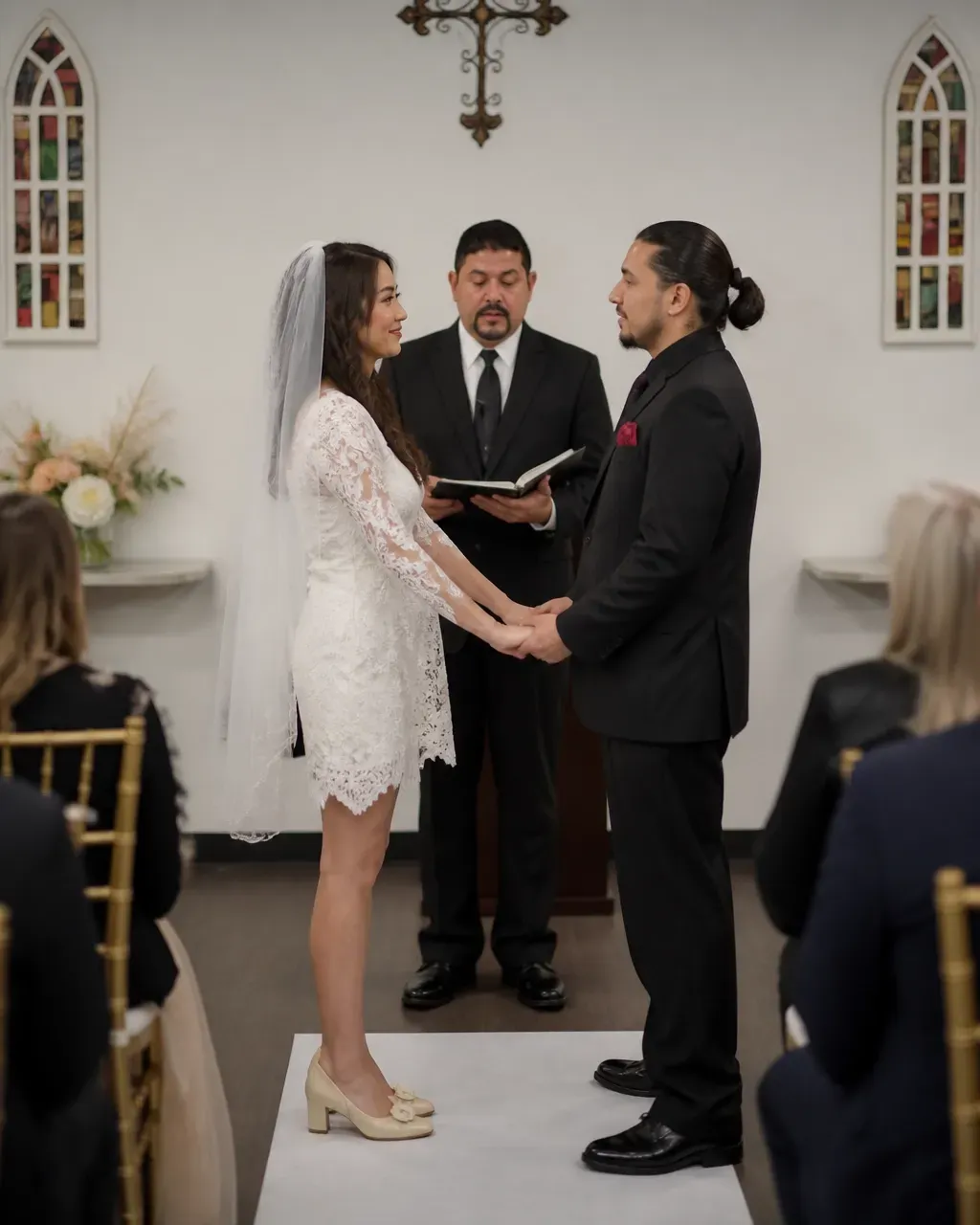
How professional officiants help with vow writing
Many couples assume an officiant simply arrives, reads a script, and conducts the ceremony. A professional officiant can do much more.
During the planning process, an experienced officiant can help you:
- Decide whether personal vows fit naturally into the ceremony
- Create a ceremony tone that feels like you
- Balance humor, sentiment, spirituality, and family traditions
- Keep each partner’s vows similar in length
- Shape scattered thoughts into a clear structure
- Identify places where the language feels too generic
- Coordinate readings, unity rituals, family vows, or bilingual elements
- Help you practice the pacing and delivery
Our officiants and the Today We Become One team take time to understand the people behind the ceremony. Whether you are planning an intimate chapel wedding, an elopement, a destination ceremony, or a vow renewal, that personal attention helps transform a standard script into a meaningful reflection of your relationship.
A simple wedding vow template to get you started
Use this as a guide: not something to copy word for word:
>
[Partner’s name], from the moment
[specific memory or quality], I knew you were
[what they mean to you].
> I will always remember
[one meaningful story], because it showed me
[what you learned about your relationship].
> Because of you, I have become
[how you have grown].
> I promise to
[specific promise].
> I promise to
[specific promise].
> I promise to
[specific promise].
> Today, I choose you, and I look forward to
[a hope for your future together]. I love you, and I will continue choosing you in all the days ahead.
Aim for approximately one to two minutes per person: often around 150 to 300 words. Then print your vows on a clean card, practice them aloud, and remember to look up from the page.
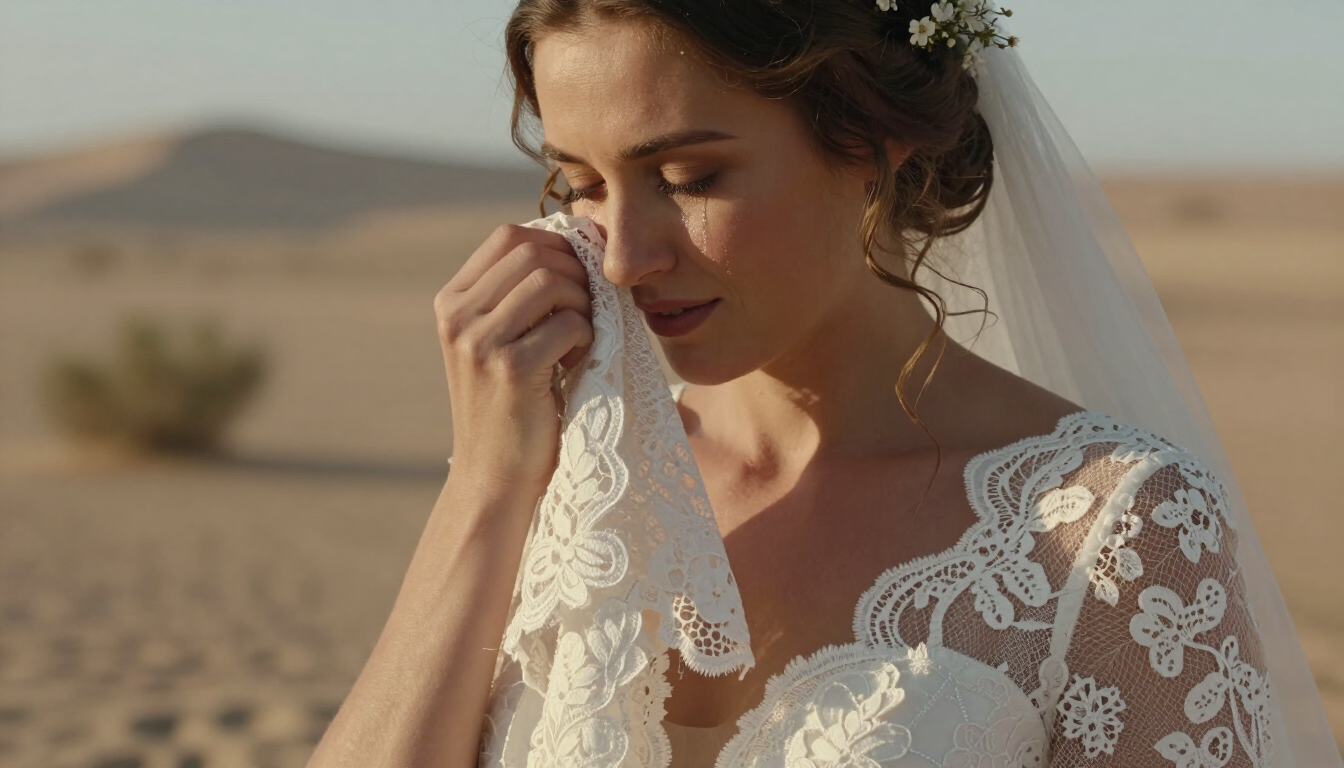
The secret behind the happy tears
People cry at weddings because they recognize something real: devotion, vulnerability, hope, and the courage to choose one another.
Your vows do not need to impress everyone in the room. They need to reach the one person standing in front of you.
Start with your story. Use details. Make honest promises. Speak naturally. Then let your officiant help you bring those words into the ceremony with
the right timing and care.
Planning a personalized ceremony in Greater Palm Springs?
Explore our wedding chapel, learn about our custom wedding services, or schedule a complimentary consultation
with the Today We Become One team.
Your love story is already meaningful.
Your vows simply give it a voice.