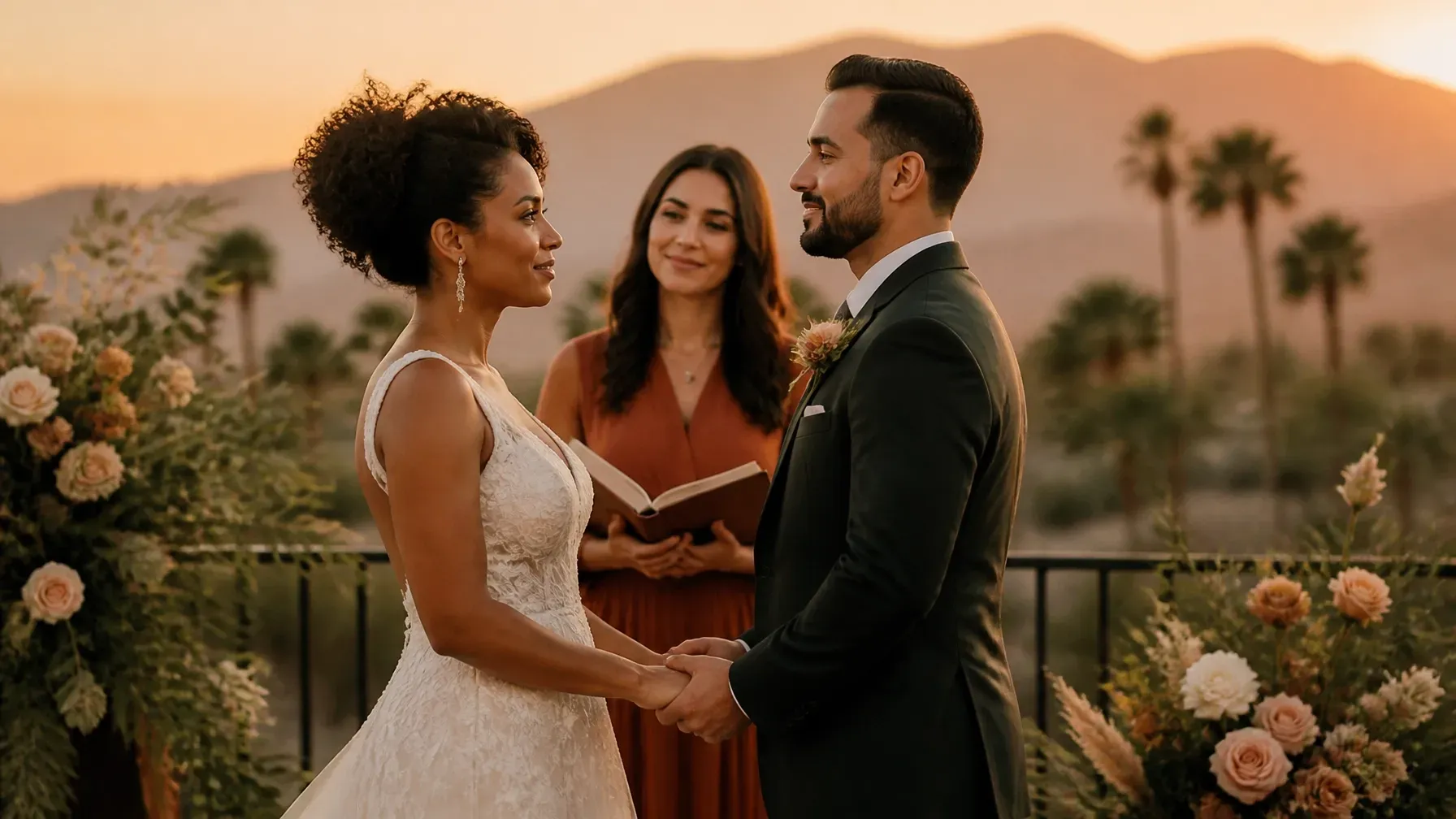
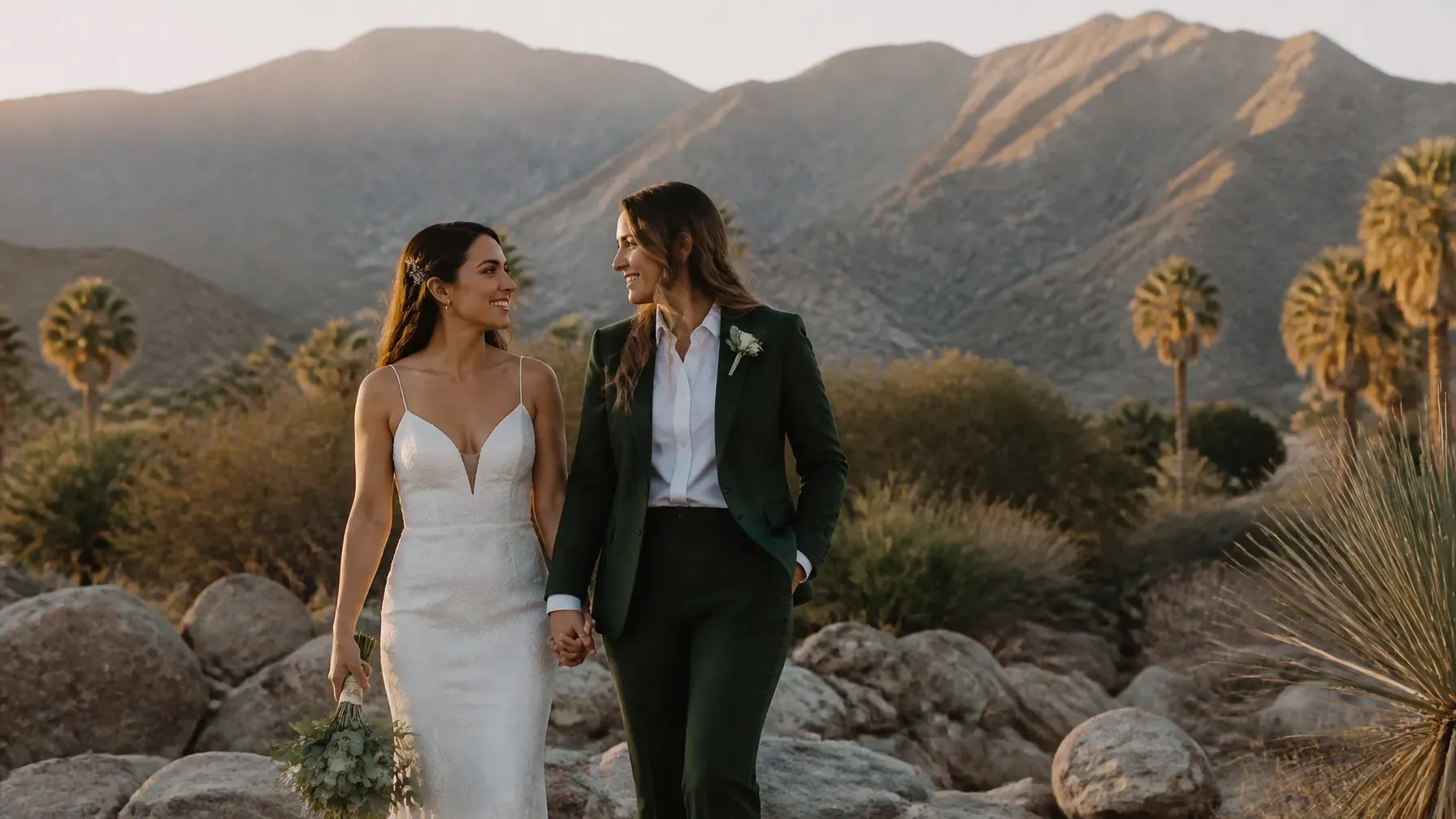
Commitment Ceremonies vs. Weddings: Which One Is Right for Your Relationship?
Your ceremony should reflect your relationship, your values, and your plans.
Some couples want a legal wedding with a marriage license. Others want a meaningful commitment ceremony without changing their legal status.
Some couples choose both at different points in their lives.
Every option holds value. The core difference comes down to legal paperwork.
A legal wedding creates a recognized marriage.
A commitment ceremony celebrates your relationship
without creating legal marital status.
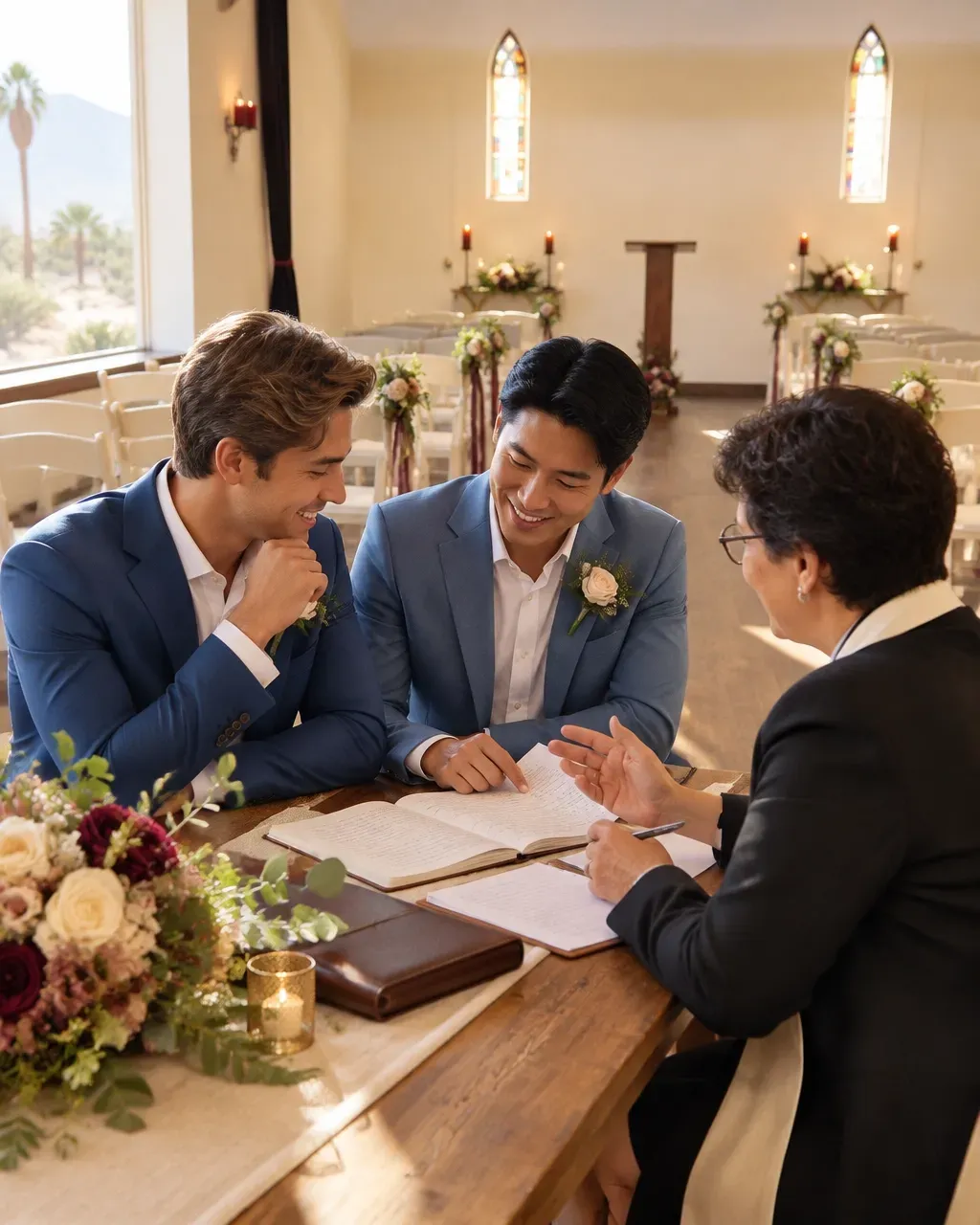
What is a commitment ceremony?
A commitment ceremony is a personal celebration of your relationship.
You exchange vows, share promises, involve loved ones, and mark an important step together.
No marriage license is signed or filed. Your legal status stays unchanged.
A commitment ceremony offers room for personal choices.
You decide how formal or relaxed the ceremony feels.
You choose your words, rituals, music, clothing, guests, and setting.
Some couples include:
- Personal vows
- Ring exchanges
- Handfasting
- Unity candles
- Sand ceremonies
- Cord and veil rituals
- Lazo and arras traditions
- Readings from family members
- Cultural or spiritual elements
- A private ceremony for two
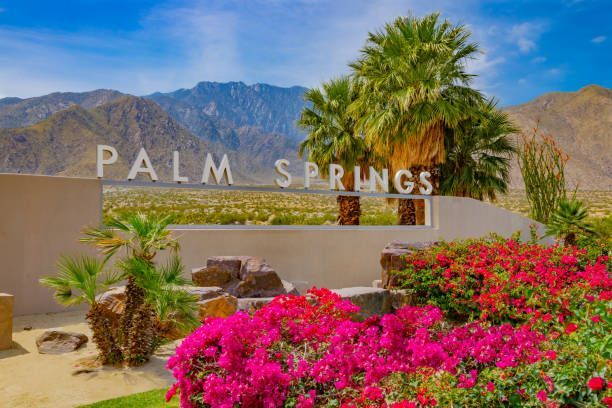
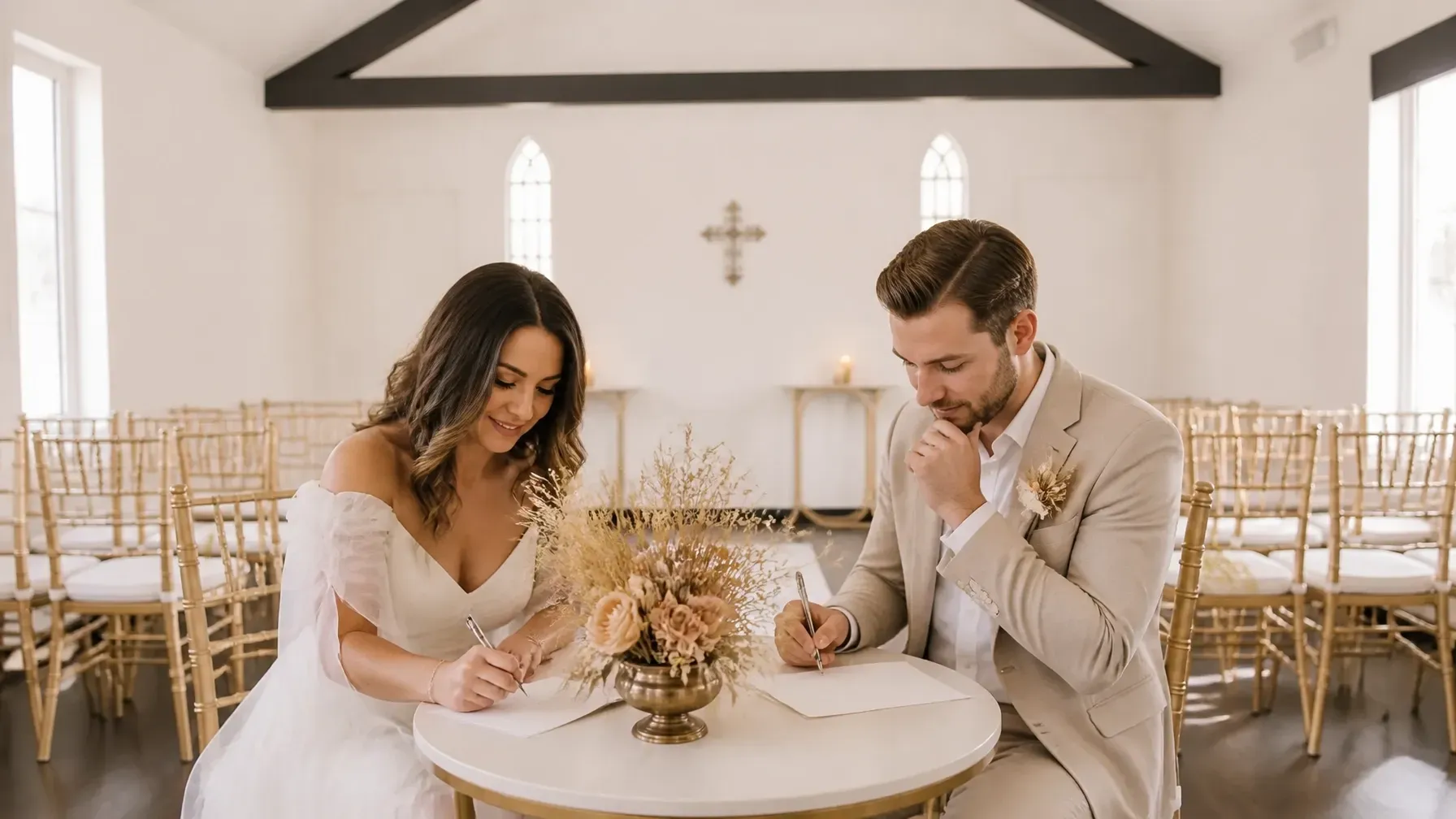
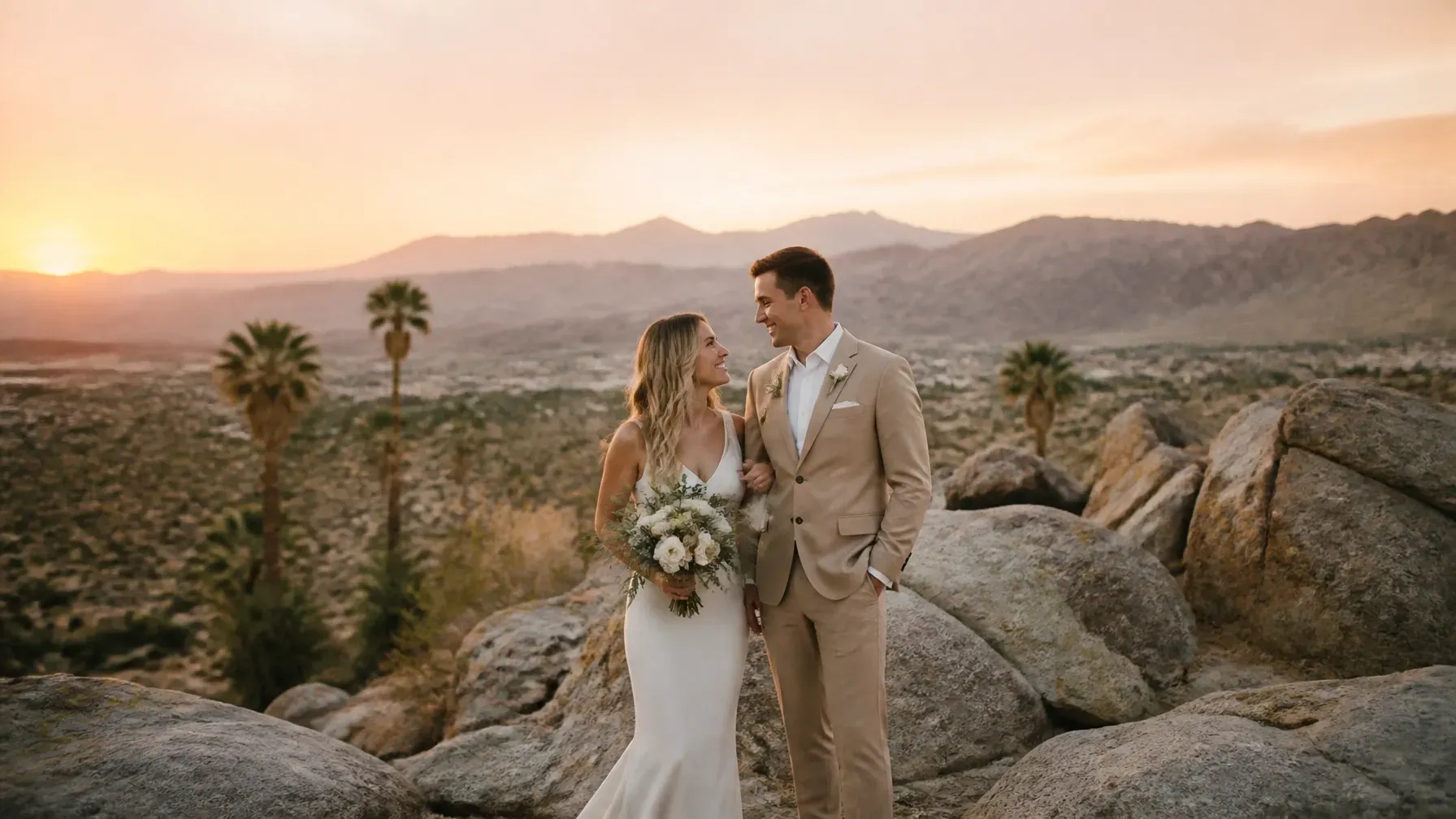
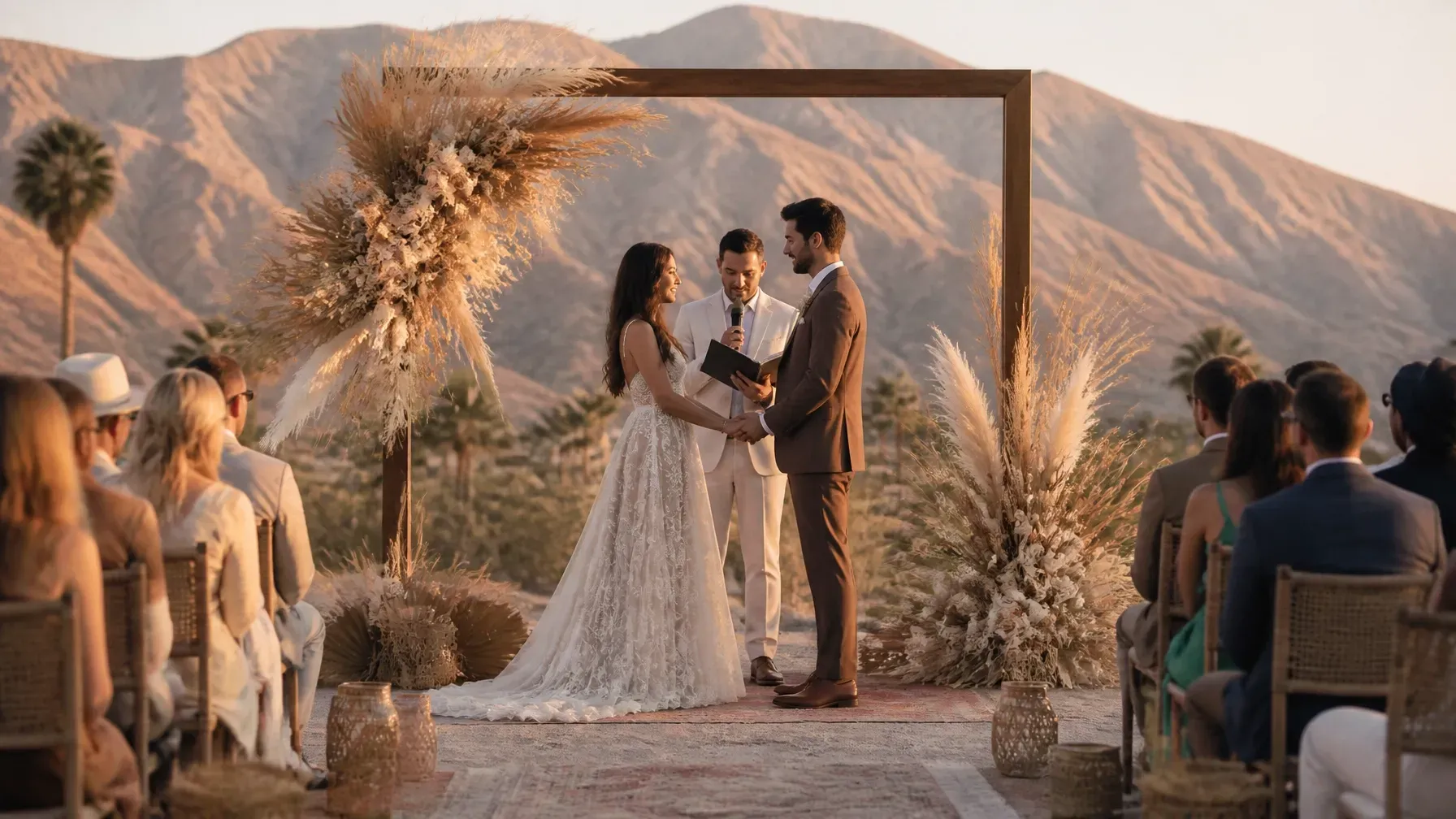
Today We Become One offers personalized commitment ceremonies for couples throughout Greater Palm Springs. You may hold your ceremony at the Palm Desert chapel or choose a destination setting.
A commitment ceremony does not create a legal marriage in California.
California does not recognize common-law marriage.
Living together or exchanging vows without a license does not create automatic spousal rights.
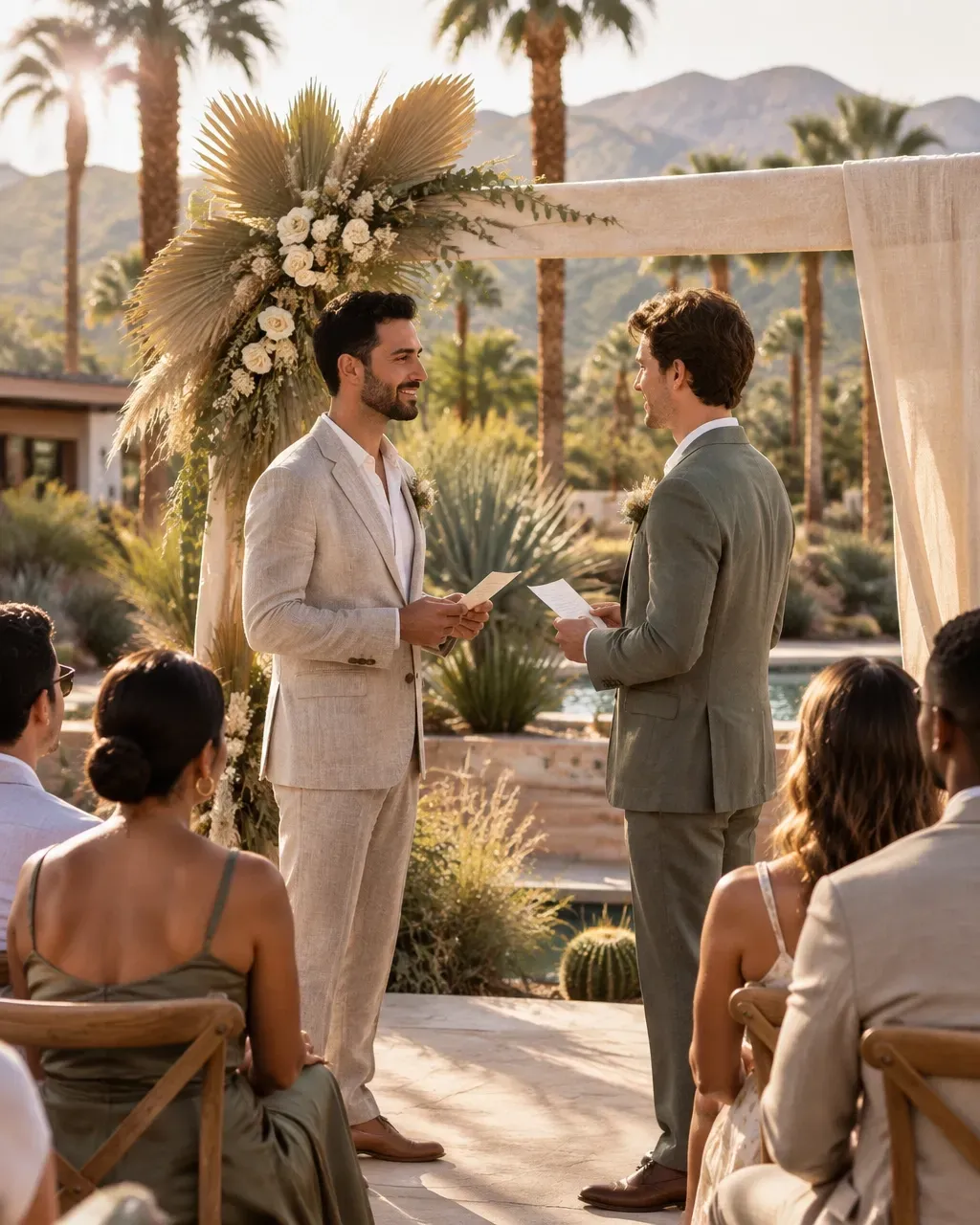
What is a legal wedding?
A legal wedding joins your personal celebration with a legal process.
In California, couples generally need to:
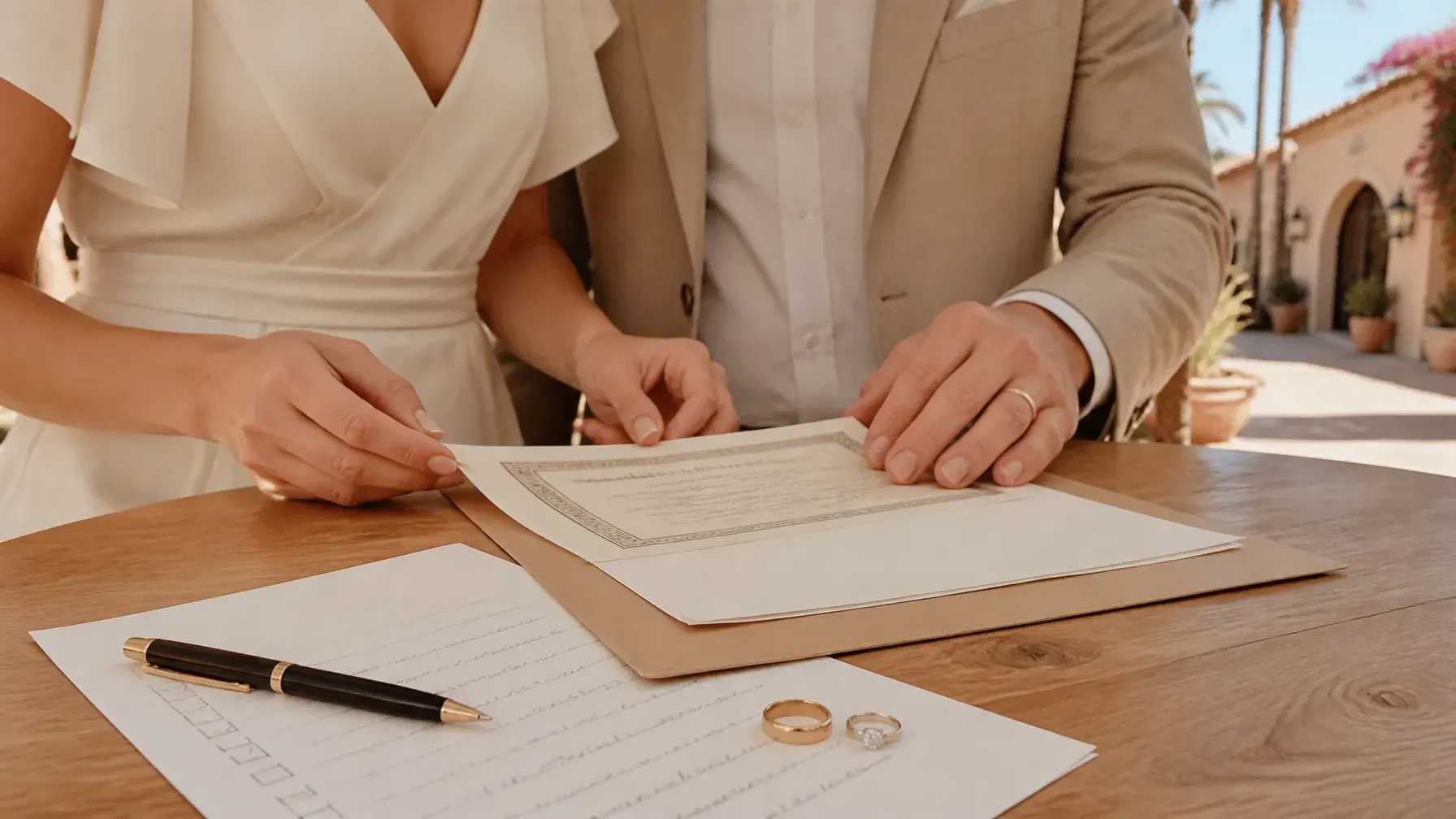
- Obtain a marriage license.
- Hold a ceremony with an authorized officiant.
- Sign the license correctly.
- Return the completed license for recording.
Once the marriage receives legal recognition, both spouses gain rights and responsibilities under state and federal law.
Today We Become One provides officiant services for couples who want a legal ceremony in Palm Desert, Greater Palm Springs, or a destination location. The team also helps couples understand ceremony details and paperwork requirements.
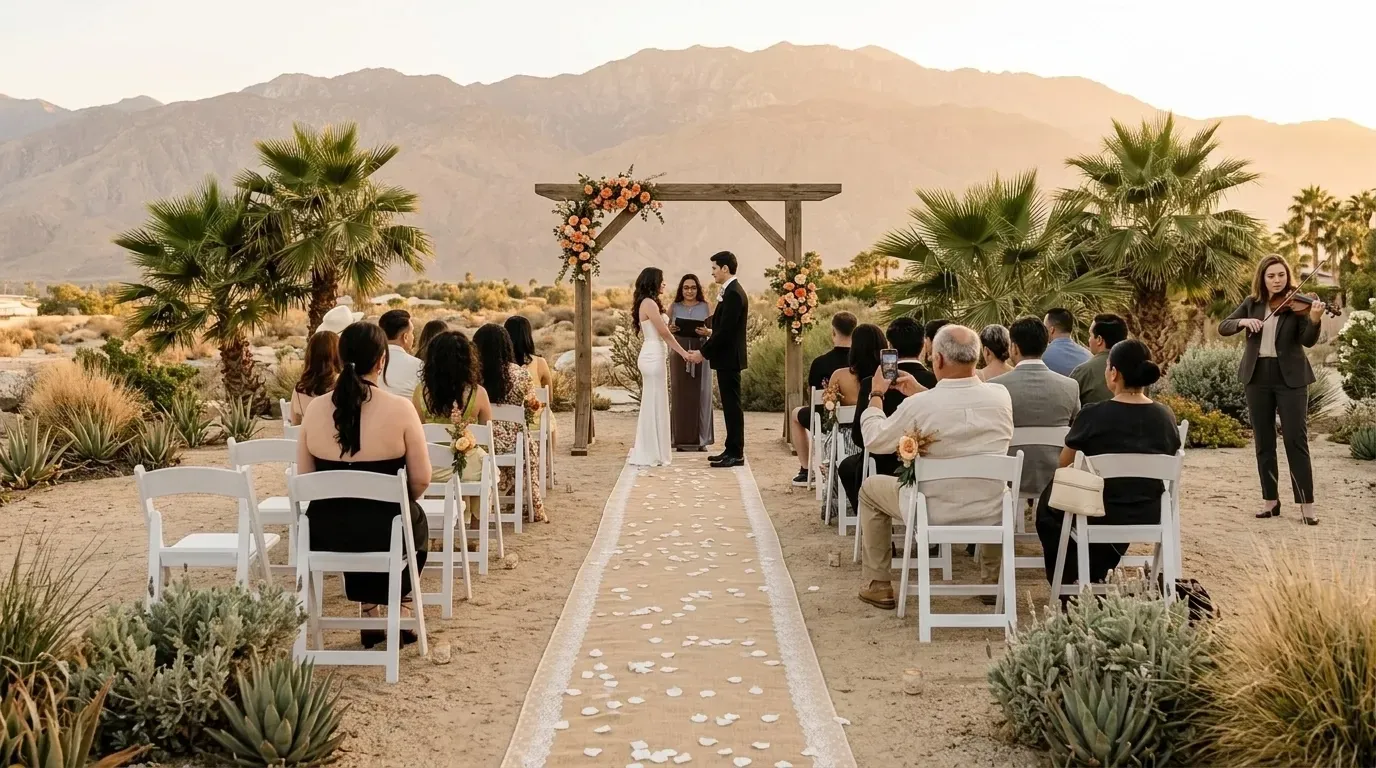
A legal wedding may be simple and intimate. You do not need a large guest list, a long engagement, or a traditional reception. A chapel ceremony, elopement, or small destination ceremony still creates a legal marriage when all required steps are completed.
Why couples choose a commitment ceremony
You want the celebration without the legal layer
Some couples feel committed and want to honor their relationship without changing their legal status.
You might prefer separate finances, separate property ownership, or separate tax filing. You might have personal reasons for keeping legal and emotional commitment separate.
A commitment ceremony lets you gather loved ones and speak meaningful promises without filing for marriage.
You want a ceremony before a legal wedding
Some couples hold a commitment ceremony first. Later, they complete the legal process in a private ceremony or at a courthouse.
This approach works for couples who want time to plan. It also works for couples who want to celebrate with family before handling paperwork.
You are an LGBTQ+ couple seeking a ceremony shaped around your relationship
LGBTQ+ couples deserve ceremonies free from outdated assumptions. You choose the language,
traditions, attire, roles, and promises.
A commitment ceremony offers a personal setting for couples who want to honor their bond in a way aligned with their identity and history.
Today We Become One is a member of the Rainbow Wedding Network. Every couple receives a warm welcome and a ceremony designed around their relationship.
Immigration or financial factors affect your decision
Immigration decisions require careful legal advice. A commitment ceremony does not create the same spouse status as a legal marriage. Couples seeking immigration benefits often need a legally recognized marriage, along with supporting documentation and federal filings.
Financial factors also matter. Marriage affects taxes, health insurance, property, debt, retirement benefits, and estate planning. Some couples prefer legal marriage. Others prefer a commitment ceremony while they review these issues.
Speak with an immigration attorney, family-law attorney, tax professional, or financial planner before making a decision based on legal or financial goals.
You want a symbolic renewal
Some legally married couples hold a commitment ceremony after a difficult season, major life change, or personal milestone.
The ceremony might mark a new beginning. It might honor years together. It might bring family and friends into a promise you first made in private.
Why couples choose a legal wedding
Legal protections for spouses
Marriage creates legal protections unavailable through a commitment ceremony alone.
Depending on your circumstances, a legal marriage affects:
- Property ownership
- Community property
- Spousal support
- Retirement benefits
- Survivor benefits
- Estate rights
- Family leave
- Immigration eligibility
- Certain federal benefits
Rules vary by situation. A legal professional should review your needs before you rely on marriage as part of a financial or legal plan.
Healthcare coverage and medical decisions
A legal spouse often qualifies for coverage through an employer health plan, subject to plan rules.
Marriage also provides stronger default recognition in medical decision-making situations.
Without legal marriage, your partner might not receive automatic authority to make healthcare decisions for you. You might need advance directives, healthcare powers of attorney, and other documents.
A legal wedding does not replace good planning. Review your beneficiaries, directives, insurance coverage, and emergency contacts after marriage.
Tax filing options
A legally married couple usually gains access to married filing jointly or married filing separately at the federal and state levels.
A commitment ceremony does not create married tax status. Couples generally file as single or head of household when they qualify.
Tax results depend on income, property, business ownership, dependents, and other details. Ask a qualified tax professional for advice about your situation.
Inheritance and estate rights
A surviving legal spouse receives protections under California inheritance law. The exact result depends on your assets, children, separate property, community property, and estate documents.
An unmarried partner does not receive the same automatic inheritance rights. Wills, trusts, beneficiary forms, and property documents help provide protection.
If you choose a commitment ceremony, speak with an estate-planning attorney. Proper documents help ensure your wishes guide future decisions.
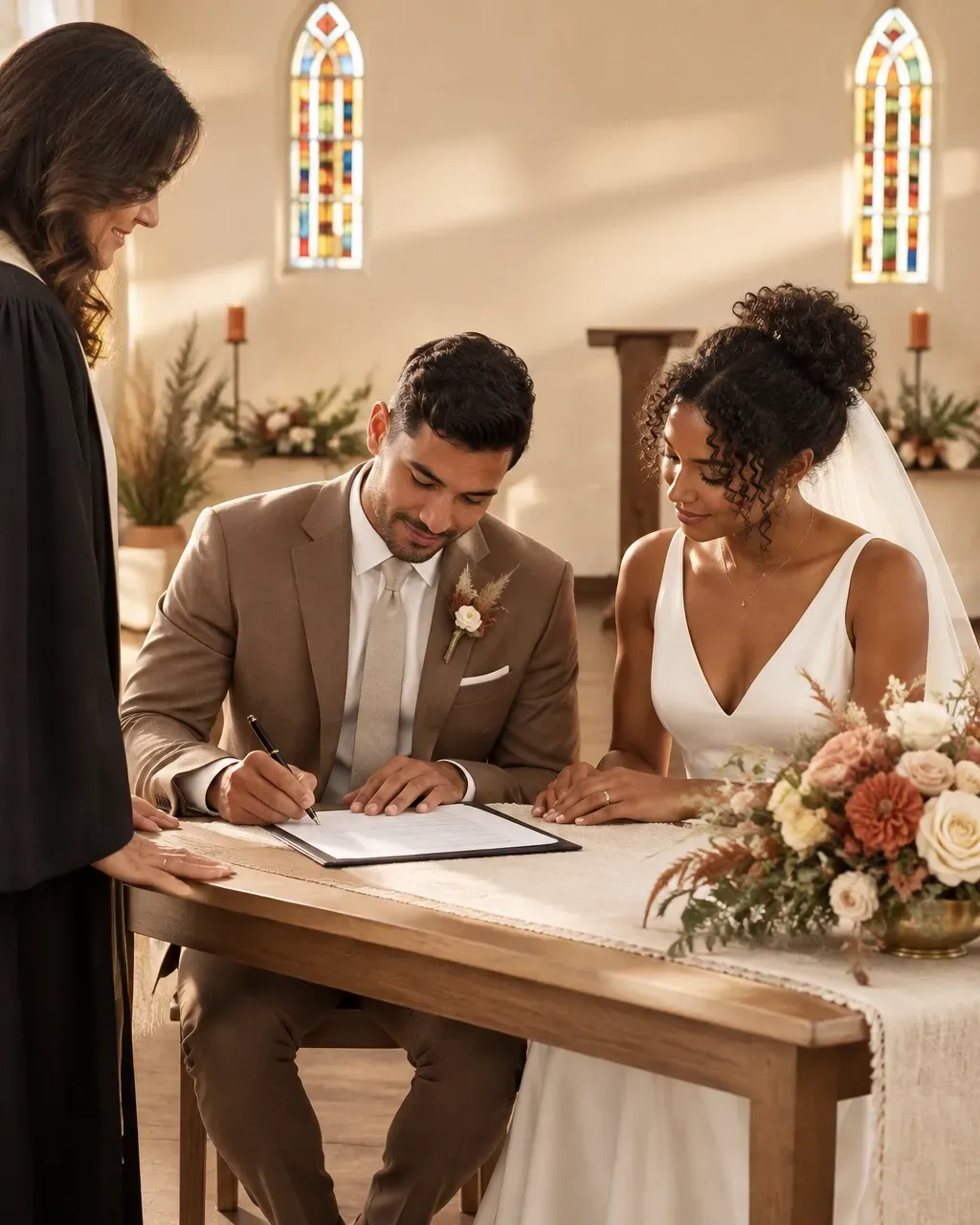
A simple comparison
Commitment ceremony:
- Celebrates your relationship
- Requires no marriage license
- Does not change legal marital status
- Offers flexible vows and traditions
- Works well for symbolic celebrations
- Does not provide automatic spousal benefits
- May fit couples who want separate legal or financial arrangements
Legal wedding:
- Creates a recognized marriage
- Requires a marriage license and authorized officiant
- Provides access to marriage-based rights and benefits
- Affects taxes, healthcare, property, and inheritance
- Supports certain immigration and federal benefit claims
- Requires thoughtful legal and financial planning
Neither choice says more about the strength of your relationship. The right choice depends on your needs.
How to choose the right option
Ask each other these questions:
- Do we want legal marital status now?
- Do we need spouse-based healthcare coverage?
- Do immigration goals affect our timeline?
- Do we want married tax filing options?
- Do we want automatic inheritance protections?
- Do we prefer separate financial arrangements?
- Do we want a symbolic ceremony without legal paperwork?
- Would a small legal ceremony now and a larger celebration later suit us?
- Which traditions feel meaningful to our relationship?
- Who should guide us through legal and estate questions?
Write down your answers. Review them with qualified professionals where needed. Then choose a ceremony style that feels honest and comfortable.
Personalize your ceremony in Palm Desert
Today We Become One welcomes couples of all backgrounds, identities, and family structures.
Your ceremony might take place in the Palm Desert chapel. You might prefer a destination ceremony in Greater Palm Springs. You might want two witnesses, a room filled with family, or a private exchange of vows.
The officiant team helps you select readings, rituals, vows, music, and ceremony details. They also explain the paperwork process for legal weddings. Review chapel options and pricing or explore destination options and pricing.
Your relationship comes first
A commitment ceremony and a legal wedding both offer meaningful ways to honor love and partnership.
Choose a commitment ceremony when personal celebration matters most and legal marriage does not fit your current plans. Choose a legal wedding when legal protections, spouse benefits, or formal recognition matter to your future.
Some couples choose both. A small legal ceremony handles the paperwork. A larger commitment ceremony gives loved ones a chance to witness your promises.
There is no single correct path.
When you are ready to talk through your ceremony, contact Today We Become One.
We will help you understand your ceremony options and take care of the details.